Bergamot Essential Oil: Benefits, Uses & Safety
By Ellen Cooper, independent essential-oil reviewer (hands-on since 2018, no MLM affiliation)
Bergamot is the one that smells like Earl Grey tea – because it literally is what makes Earl Grey taste like Earl Grey. It’s also one of the few oils where I think the mood research is genuinely interesting rather than wishful, and one of the very few with a safety issue serious enough that you need to know it before the first drop touches your skin. Let’s do both honestly: what it’s actually good for, and the sunlight problem that catches people out.
Quick answer: Bergamot is a citrus oil cold-pressed from the rind of Citrus bergamia, best known for lifting mood and easing stress – the area where its evidence is strongest, though still preliminary. Critical safety point: standard bergamot contains bergapten, a compound that makes skin react badly to sunlight. For anything going on skin, buy the FCF (bergapten-free) version. And the cholesterol claims you’ve read about are for a different product entirely – an oral extract, not this oil.
What is bergamot essential oil?
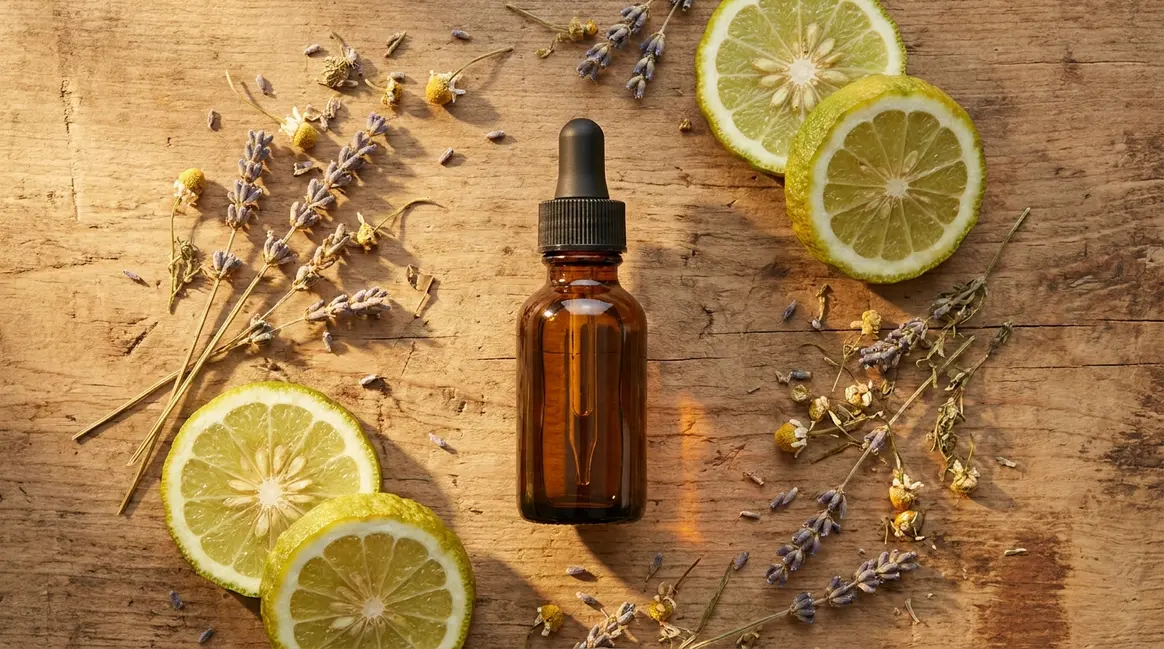
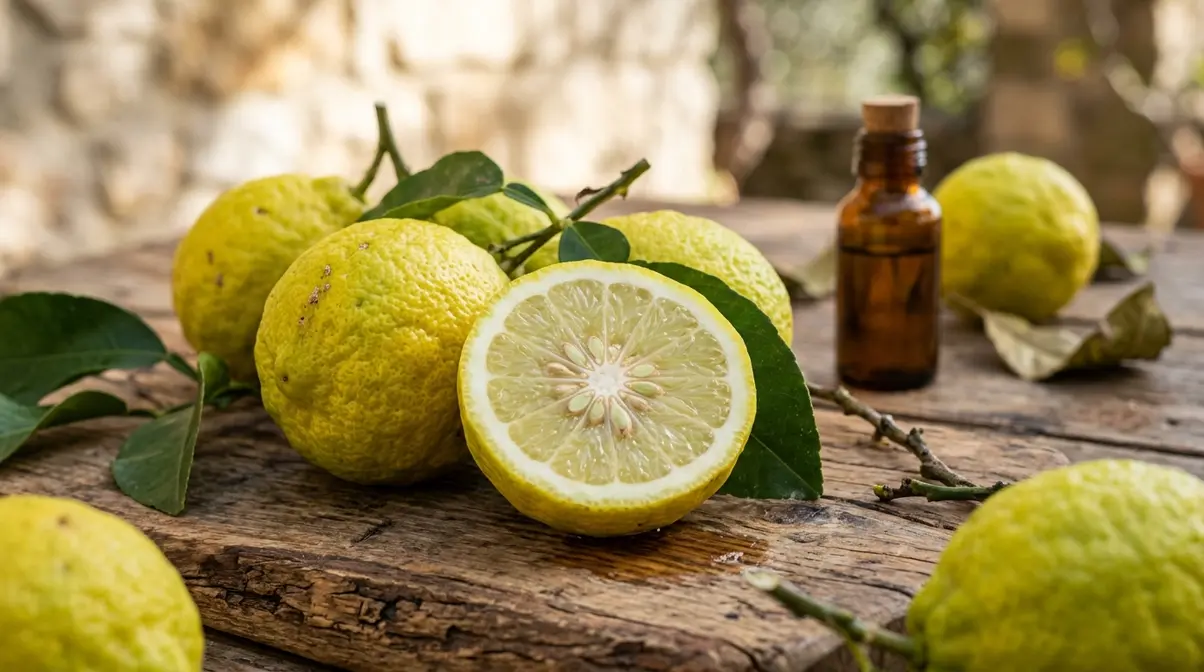
Bergamot oil is cold-pressed from the rind of Citrus bergamia, a citrus fruit grown mostly along the coast of Calabria in southern Italy. The fruit itself is far too sour and bitter to eat – its whole commercial life is the peel, which is why the oil (and Earl Grey tea) is what most people ever encounter of it.
The scent is the reason people fall for it: bright and citrusy like other citrus oils, but with a floral, faintly spicy softness underneath that lemon and orange don’t have. It sits somewhere between a citrus and a light floral, which makes it unusually easy to blend – it plays well with lavender, cedarwood, frankincense, geranium and other citrus.
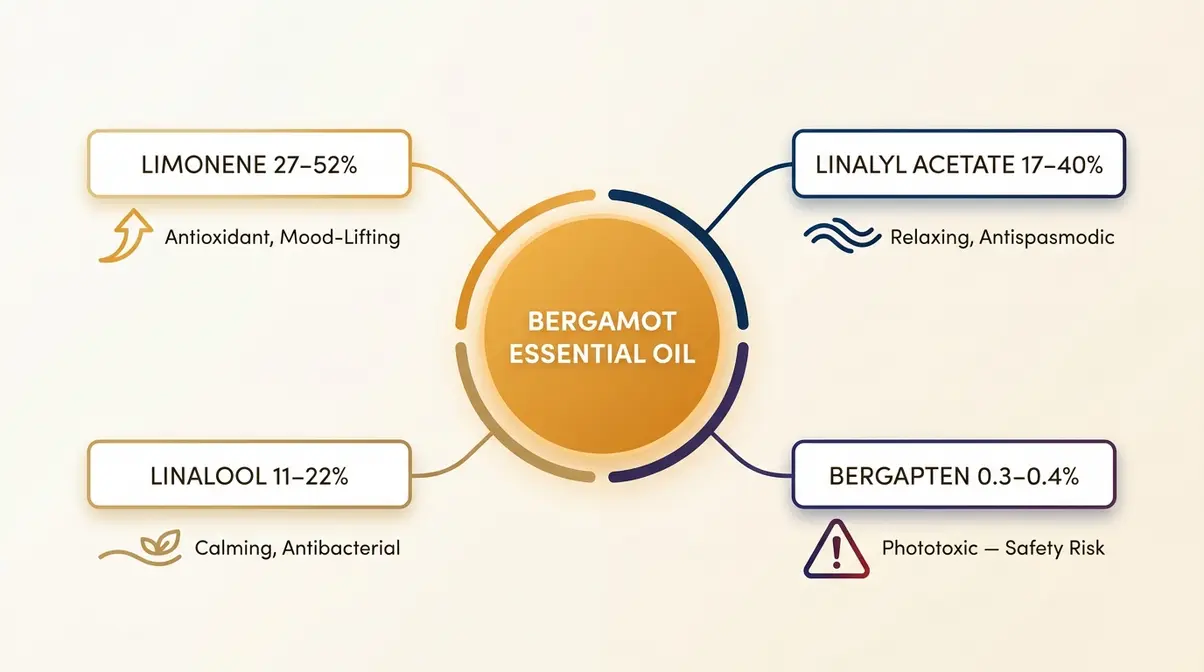
Its main constituents are limonene, linalyl acetate and linalool – the last two are also what make lavender smell like lavender, which is a decent clue as to why bergamot reads as calming rather than purely zesty. It also contains bergapten, and that one gets its own section below, because it matters.
What does the evidence actually show?
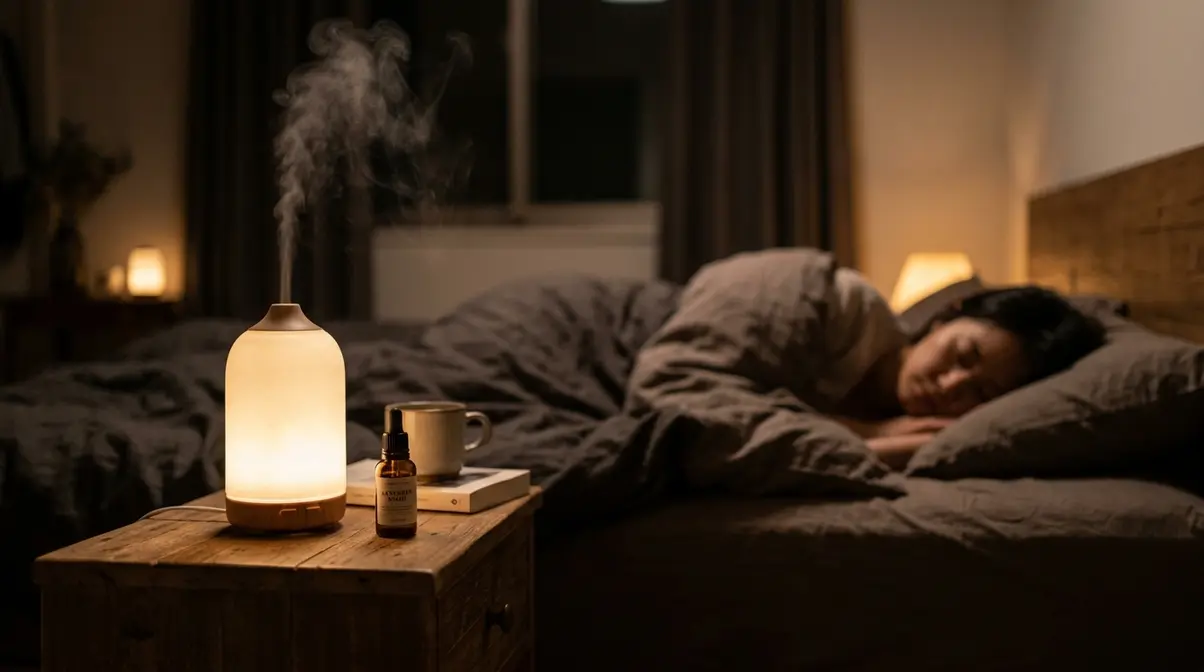
Mood and stress is where bergamot has its best support – and I want to be precise about how good that support actually is, because “clinically proven” gets thrown around a lot.
The most-cited human study is a 2017 pilot published in Phytotherapy Research: 57 people in the waiting room of a mental health treatment centre were exposed to diffused bergamot for 15 minutes, and reported roughly 17% higher positive feelings than the control group (Han et al., Phytotherapy Research, 2017, retrieved 2026-07-22). That’s a real human result and a genuinely encouraging one – but note what it is: a small pilot study measuring positive affect, not a treatment trial for clinical anxiety.
Zooming out, a review of bergamot research surveyed ten human aromatherapy studies, of which eight reported positive results for anxiety and stress responses, including reductions in heart rate and blood pressure. The same authors were candid about the limitations: most of those trials didn’t report the quality parameters of the oil they used, and many were methodologically imperfect (Navarra et al., Frontiers in Pharmacology review, 2015).
So the honest summary: bergamot is one of the better-supported oils for mood and stress, the direction of the evidence is consistent, and it’s still built on small studies rather than large clinical trials. Diffusing it to take the edge off a tense afternoon is a reasonable, evidence-informed thing to do. Treating it as a substitute for care for anxiety or depression is not.
About the cholesterol claims – an important distinction
If you’ve read that bergamot lowers cholesterol, that research is real but it is not about this oil, and this is the single most-muddled claim on the topic.
The cardiovascular studies concern bergamot polyphenol extract – a concentrated oral supplement made from the fruit – not the aromatherapy essential oil. A 2019 review in Food Science & Nutrition covering 31 studies (20 human, 11 animal) found bergamot extract improved lipid profiles (Perna et al., Food Science & Nutrition, 2019). Different product, different route into the body, different safety profile.
The essential oil is not for internal use. Any effect from the oil would have to come through aromatherapy, and nobody has studied that pathway for cholesterol outcomes. If you’re interested in bergamot for heart health, that’s a conversation with your doctor about the supplement – not a reason to buy this bottle.
The safety issue that matters most: bergapten and sunlight
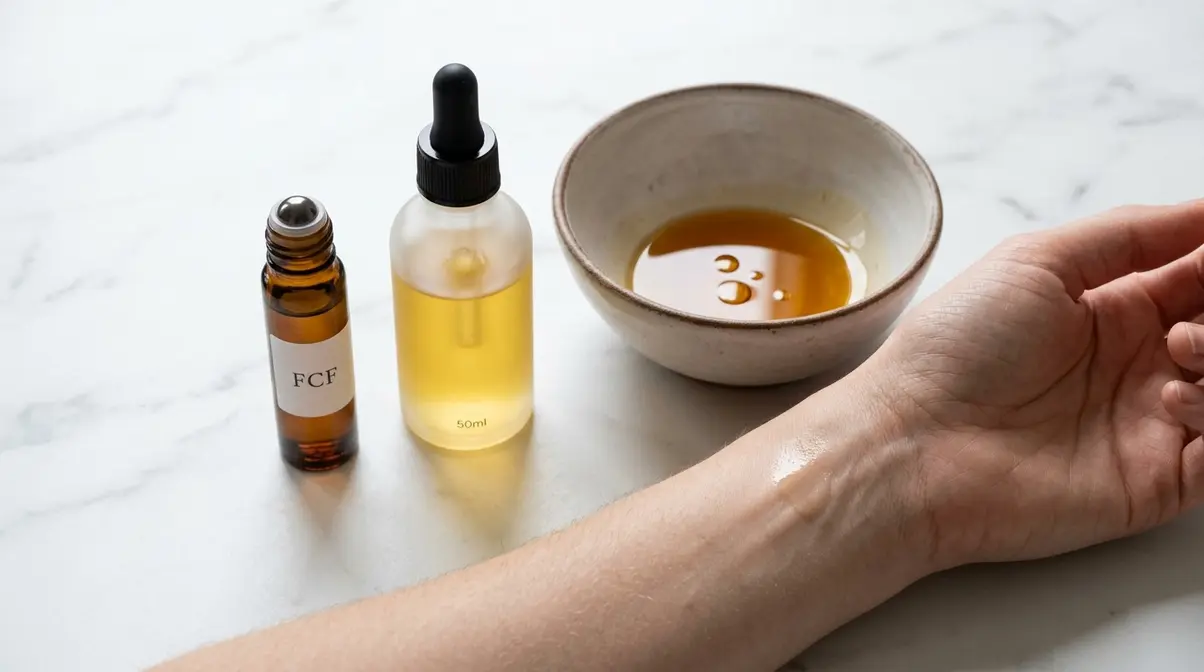
Standard bergamot oil contains bergapten (5-methoxypsoralen), a furocoumarin that is a known photosensitiser – so well established as one that dermatology uses it deliberately, paired with controlled UVA light, to treat psoriasis and vitiligo (review of bergapten’s pharmacological properties, 2022).
Which is exactly the problem when it’s on your skin on a sunny day. Bergapten plus UV can produce a phototoxic reaction – burning, blistering, and dark patches of hyperpigmentation that can linger for months. Two things people underestimate: it can happen on an overcast day, because UV goes through cloud, and the discolouration long outlasts the burn.
The fix is simple: buy FCF bergamot for skin. “FCF” means furocoumarin-free (you’ll also see “bergapten-free”), and it’s the same lovely scent with the phototoxic compound stripped out. My rule: standard bergamot for the diffuser only; FCF for anything topical – rollers, massage blends, body products. If you do use standard bergamot on skin, keep that skin out of the sun for at least 12 hours.
Bergamot bottles worth a look – all fine for diffusing:
Popular options on Amazon
As an Amazon Associate we earn from qualifying purchases, at no extra cost to you. Product details and availability are subject to change – check the live listing on Amazon.
| Image | Product | Best for | Buy |
|---|---|---|---|
 | Bergamot Essential Oil 30ml/1.01fl.oz | Budget diffuser blends | Buy on Amazon |
 | PHATOIL 3.38FL.OZ Bergamot Essential Oil | Large bottle for diffusing | Buy on Amazon |
 | 100% Pure Bergamot Essential Oil | Small bottle to try | Buy on Amazon |
 | Bergamot Essential Oil | Bulk for home use | Buy on Amazon |
 | Majestic Pure Essential Oil with Glass Dropper | Glass dropper bottle | Buy on Amazon |
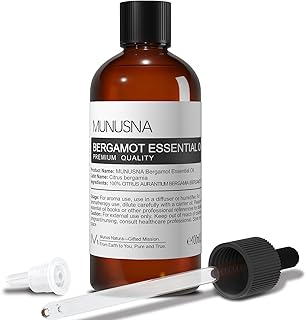 | Bergamot Essential Oil | Everyday aromatherapy | Buy on Amazon |
Affiliate links · details and availability change · check the live Amazon listing.
Before you put any of these on skin: none of the listings above is confirmed FCF (bergapten-free). Treat them as diffuser oils unless the product page explicitly says FCF or bergapten-free – and if it doesn’t, keep it off skin that will see daylight.
How I actually use it
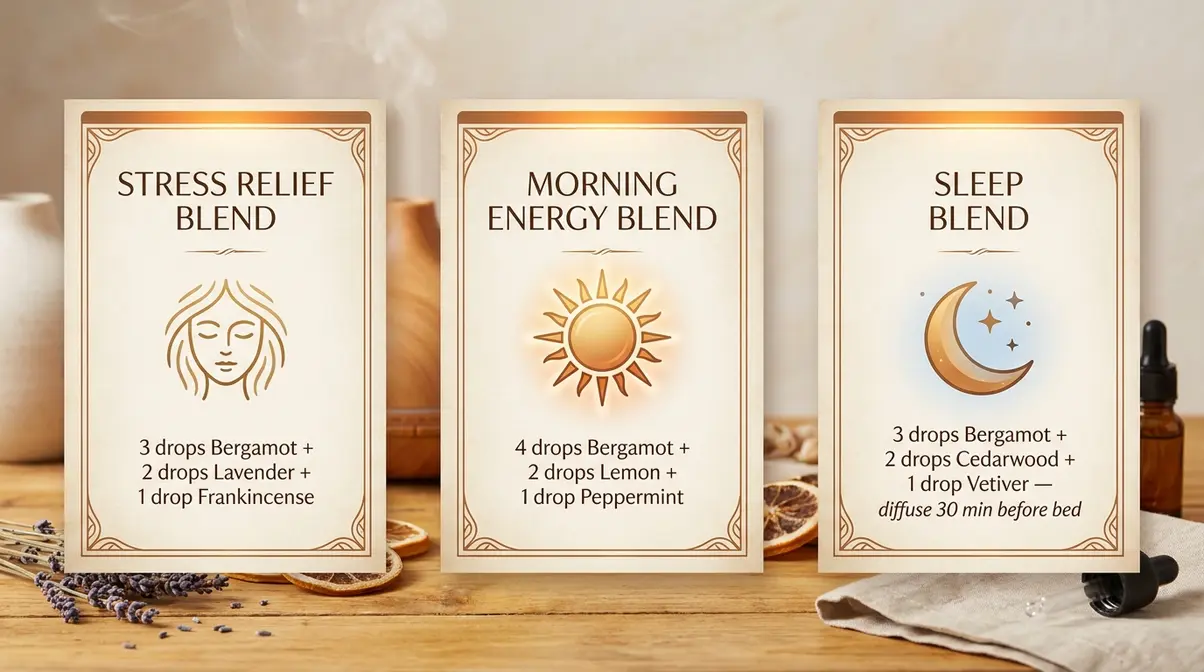
- Diffused, on its own – 4-5 drops when I want the room to feel lighter. This is where standard (non-FCF) bergamot is perfectly fine.
- Wind-down blend – 3 bergamot + 4 lavender + 2 cedarwood. Bergamot’s citrus lift keeps lavender from feeling heavy.
- Bright focus blend – 3 bergamot + 2 grapefruit + 1 rosemary, for a dull afternoon.
- Calming roller (FCF only) – 4 drops FCF bergamot + 3 lavender in a 10 mL bottle topped with jojoba or fractionated coconut oil, rolled on the wrists.
- In a bath – 5 drops of FCF bergamot pre-mixed into a tablespoon of carrier oil first; oils don’t disperse in water on their own.
For skin use, dilute to 2% (about 12 drops per 30 mL of carrier), or 1% on the face – see our dilution guide, and what a carrier oil is if that step is new to you. Bergamot also earns its place in a lot of blends as a top note.
How to buy a decent bottle
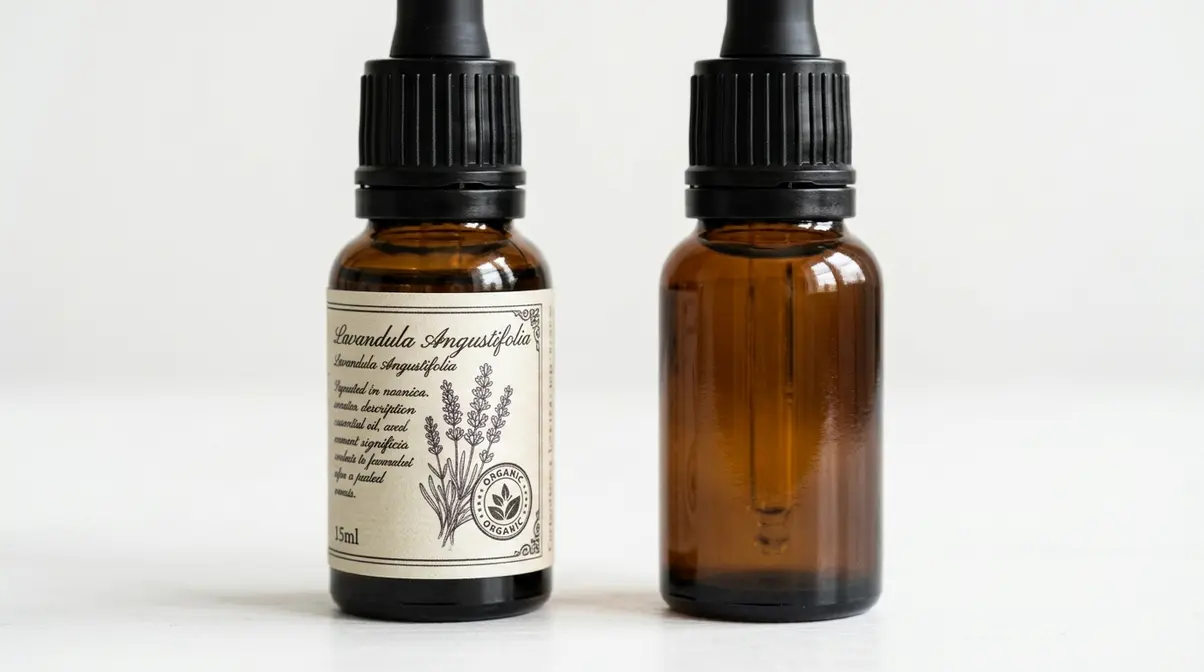
- Check the botanical name – it should say Citrus bergamia. If the label only says “bergamot fragrance,” it’s a synthetic scent, not an essential oil.
- Decide FCF or not before you buy – the label will say FCF or bergapten-free. If it doesn’t say so, assume it’s standard and keep it for diffusing.
- Cold-pressed, in dark glass – citrus oils are pressed, not distilled, and light degrades them fast.
- Be sceptical of grading language – “therapeutic grade” is a marketing phrase, not a certification any independent body awards.
I keep brand opinions on our own essential oil brand reviews, where I’ve looked at sourcing and testing claims one company at a time.
Safety
- Photosensitivity – the big one, covered above. FCF for skin; standard for the diffuser.
- Always dilute and patch-test on the inner forearm for 24 hours before wider use.
- Never ingest it. The oil is not the oral extract, and swallowing essential oils isn’t safe.
- Pets – citrus oils are toxic to cats in particular; diffuse only where an animal can leave the room.
- Children and pregnancy – use very low dilutions with children, and check with your provider during pregnancy.
- Medication – if you take anything for mood, blood pressure or cholesterol, mention any regular oil use to your doctor.
Frequently asked questions
What is bergamot essential oil good for?
Its best-supported use is mood – easing stress and lifting low spirits – based on small human studies of diffused bergamot. It’s also a lovely blending oil and a popular scent for the home. It is not a treatment for a medical condition.
Is bergamot oil safe on skin?
Only diluted, and ideally only the FCF (bergapten-free) version. Standard bergamot contains bergapten, which reacts with sunlight and can cause burns and lasting dark patches. If you use standard bergamot on skin, keep it covered and out of the sun for at least 12 hours.
What does FCF mean on a bergamot bottle?
Furocoumarin-free – the phototoxic compounds, including bergapten, have been removed. It smells the same and is the right choice for anything applied to skin.
Does bergamot oil lower cholesterol?
The cholesterol research is on bergamot polyphenol extract, an oral supplement made from the fruit – not the essential oil. The essential oil is not for internal use, and aromatherapy hasn’t been studied for cholesterol. Ask your doctor about the supplement if that’s your interest.
What blends well with bergamot?
Lavender, cedarwood, frankincense, geranium and other citrus oils. It works as a top note, so pair it with a floral or herb middle and a woody base.
The bottom line
Bergamot is one of my favourite oils to have on the shelf: the scent is genuinely lovely, it blends with almost anything, and its mood research – while still small-scale – is more substantial than most. Buy FCF if it’s going anywhere near your skin, keep standard bergamot for the diffuser, and file the cholesterol headlines under “different product.” Get the sunlight issue right and it’s an easy oil to enjoy.
Medical disclaimer: This article is general information, not medical advice, and does not diagnose or treat any condition. Bergamot essential oil is not a treatment for anxiety, depression, or high cholesterol. Never ingest essential oils or apply them undiluted, and check with a qualified professional before use during pregnancy, around children or pets, with a medical condition, or alongside medication.