Edens Garden Essential Oils Reviews: Worth It in 2026?
Contents
Compare brands: Plant Therapy Review | Rocky Mountain Oils Review | NOW Foods Review
AromaTalking is reader-supported. We may earn a commission from qualifying purchases made through links on this page, at no extra cost to you. This does not influence our verdicts. See our affiliate disclosure.
If you’ve ever paused before buying essential oils, wondering whether the bottle in your cart is the real thing, you’re in good company. One wellness community member put the worry plainly:
“These synthetic garbage oils being sold are actually harmful for your health and have little to no therapeutic or medicinal benefits at all.”
That fear is completely valid, and it’s exactly why this review exists. Spending $50 on a bottle diluted with cheap carrier oils or synthetic fragrance isn’t just disappointing. It could be genuinely harmful to the children, pets, or pregnant or nursing moms you’re trying to protect.
By the end of this guide, you’ll know whether Edens Garden essential oils are safe, pure, and worth your money, so you can make your first (or next) purchase with confidence. We’ll walk through brand legitimacy, independent quality testing, safety guidelines for kids and pets, a head-to-head comparison against the big MLM brands, and the specific products worth buying first. This Edens Garden review is built on a structured evidence framework and cited public sources, not opinions.
Key Takeaways: Edens Garden Essential Oils
Edens Garden essential oils are 100% pure, independently GC/MS-tested for purity, and non-MLM, making them a transparent, affordable choice for beginners and families.
- Every batch is GC/MS-tested by the Essential Oil University lab (Dr. Robert Pappas), independent of the brand, with reports available for verification (Edens Garden / Essential Oil University, accessed 2026-06-27)
- Prices run well below comparable MLM brands, with no membership fees or distributor markups, based on the cost-per-drop table below (observed March 2026; verify current pricing)
- A dedicated “OK for Kids” line applies stricter pre-diluted standards designed specifically for child-safe use
- Public review sentiment is mixed but skews positive: Edens Garden’s Trustpilot rating sits around 3.2/5 “Average” on an unclaimed profile, while scent and value draw consistent praise across retailer and community reviews (Trustpilot, accessed 2026-06-27)
⚠️ MEDICAL DISCLAIMER
The information in this article is for educational purposes only and does not constitute medical advice. Essential oils are not FDA-approved to treat, cure, or prevent any disease or health condition. Always consult a qualified healthcare provider before using essential oils on children, pregnant or nursing women, or pets. Never ingest essential oils without the explicit guidance of a licensed healthcare professional. Per FDA’s guidelines on aromatherapy, essential oils marketed for therapeutic or medicinal claims are regulated as drugs, not cosmetics (FDA, 2026).
Recommended Edens Garden Oils on Amazon
As an Amazon Associate we earn from qualifying purchases, at no extra cost to you. Product details and availability are subject to change – check the live listing on Amazon.
| Image | Product | Best for | Buy |
|---|---|---|---|
![]() | Lavender | Relaxation & sleep | Buy on Amazon |
![]() | Edens Garden Peppermint Essential Oil | Energy & focus | Buy on Amazon |
![]() | Tea Tree Essential Oil | Skin & blemishes | Buy on Amazon |
![]() | Lemon Essential Oil | Fresh, cleansing scent | Buy on Amazon |
![]() | Stress Relief Essential Oil Blend | Calm & unwind | Buy on Amazon |
Affiliate links · details and availability change · check the live Amazon listing.
Edens Garden: Brand Overview

Edens Garden Essential Oils is a women-owned, direct-to-consumer aromatherapy brand known for offering GC/MS-tested (gas chromatography-mass spectrometry verified, more on that shortly), 100% pure oils without the multi-level marketing (MLM) markup found in bigger-name competitors. Founded in 2009 by Grace Martin, the brand has grown to offer over 250 single oils and synergy blends across its full catalog. If you’ve been looking for an honest Edens Garden review, this guide applies a structured, evidence-based framework, The Purity Proof Framework, to answer whether the brand is truly worth your money.
Brand History and Ownership
Grace Martin founded Edens Garden in 2009 with a specific mission: to make pure essential oils affordable and accessible to everyday families, without the pressure tactics that were common in the MLM-dominated wellness market at the time. The brand was built as a consumer-first alternative from day one, not as a recruiting machine.
Today, Edens Garden is women-owned and family-operated, offering 250+ individual essential oils and synergy blends. Their “OK for Kids” line is a standout differentiator, a dedicated product tier formulated with stricter dilution standards for children’s safety, something most competitors don’t offer as a dedicated line. The sections below evaluate each part of the catalog product by product.
Think of Edens Garden’s catalog like a well-organized spice aisle multiplied by 10. The breadth can feel overwhelming for a first-time buyer. This guide focuses specifically on where beginners should start, which makes the size of the catalog a strength, not a source of confusion.
Our Review Methodology
This review is based on Edens Garden’s published GC/MS documentation, public retailer and Trustpilot reviews, and price comparison, not first-party laboratory testing. Where we reference purity, we point to the brand’s publicly available batch reports and the independent lab that produces them, so you can verify the same documents yourself.
Our evaluation criteria covered five areas:
- Purity verification: Are GC/MS batch reports publicly accessible and from independent labs?
- Pricing transparency: How does cost-per-drop compare to MLM brands without membership fees?
- Family and pet safety documentation: Does the brand publish specific dilution guidance for children and pets?
- Sourcing transparency: Does the brand disclose country of origin, distillation method, and farming practices?
- Customer sentiment: What do public reviews across Trustpilot, Amazon, and r/essentialoils consistently say?
With that methodology in mind, the next section covers what the public data actually shows about Edens Garden’s reputation.
Ratings and Customer Service
So, are Edens Garden essential oils good? The public review picture is mixed but leans positive. Edens Garden’s Trustpilot rating sits around 3.2/5, rated “Average,” on a profile the brand has not claimed, so it is worth reading the reviews rather than the headline number (Trustpilot, accessed 2026-06-27). Within that feedback, scent quality and value draw the most consistent praise.
On the Better Business Bureau, Edens Garden is not BBB-accredited. The brand may hold a separate BBB rating, but a rating is not the same as accreditation, and neither is a guarantee of product quality (BBB, accessed 2026-06-27). Treat both Trustpilot and BBB as sentiment signals, not proof of purity.
On Amazon, Edens Garden is available with many reviews, and across the r/essentialoils subreddit, a community known for skepticism toward brand marketing, Edens Garden is consistently recommended as a trusted alternative to Young Living and doTERRA, particularly for budget-conscious buyers who prioritize purity over prestige.

Packaging quality earns frequent praise in community reviews: amber glass bottles with tamper-evident caps, orifice reducer droppers for controlled dispensing, and clean labeling that includes GC/MS batch numbers for traceability. Customer service receives mostly positive marks for response speed and willingness to replace damaged or incorrect shipments, a meaningful detail for first-time buyers who may have questions after ordering.
The Non-MLM Business Model
Unlike multi-level marketing (MLM) companies, where independent distributors earn commissions by recruiting new sellers, Edens Garden sells directly to consumers. This removes the middleman entirely, which keeps prices significantly lower. This isn’t about Edens Garden cutting corners on quality. It’s about cutting out layers of distributor commissions.
A simple way to picture it: when you buy a Young Living oil, a portion of your payment travels through multiple distributor accounts before it reaches the company. Each of those distributors takes a cut. With Edens Garden, your payment goes from you directly to the brand. That’s the structural reason the oils cost less, and it has nothing to do with quality.
This matters especially for the reviews you’ll find in wellness communities: the enthusiasm often comes specifically from people who switched away from MLM brands and experienced the price difference firsthand.
Edens Garden: Pros & Cons
Pros
- 100% pure, GC/MS-tested oils with publicly available batch reports
- Significantly lower prices than Young Living/doTERRA (no MLM markup)
- Dedicated “OK for Kids” pre-diluted line for child-safe use
- 250+ oils and synergy blends, one of the widest selections at this price point
- Independent third-party GC/MS testing via the Essential Oil University lab
- Transparent GC/MS batch traceability on most products
- Ships internationally; free domestic shipping threshold available
Cons
- No retail store presence, online-only purchasing
- Packaging is functional but less premium-feeling than high-end competitors
- Trustpilot rating is mixed (around 3.2/5 “Average”) on an unclaimed profile
- Not BBB-accredited
- Some single oils are harder to source (more exotic botanicals)
- Occasional batch variation in scent profile for natural botanical oils
The Purity Proof Framework
🔬 The Purity Proof Framework: AromaTalking.com’s 4-point standard for evaluating any essential oil brand:
1. Independent third-party GC/MS verification (not self-reported)
2. Direct-to-consumer pricing without MLM distributor markup
3. Documented family and pet safety protocols (specific dilution guidance, dedicated safe lines)
4. Transparent ethical sourcing (country of origin, farming practices, distillation methods disclosed)
Each pillar is assessed on verifiable evidence, not star ratings. Edens Garden’s performance against each pillar is examined throughout this review.

Against this rubric, Edens Garden clearly meets Pillar 1 (independent GC/MS testing) and Pillar 2 (direct-to-consumer pricing), and offers documented child-safety guidance for Pillar 3. Sourcing transparency (Pillar 4) is partial: country of origin and distillation method are disclosed on many products but not uniformly. The sections below show the evidence behind each judgment.
Are Edens Garden Essential Oils Safe and Pure?

Yes, Edens Garden essential oils are safe when used correctly. Every batch is independently GC/MS-tested by a third-party laboratory, and the brand publishes batch-specific certificates you can verify yourself. But understanding why they’re safe requires more than reading a label. It requires understanding how oil purity is actually verified, and why the terminology brands use can be misleading.
How GC/MS Testing Works
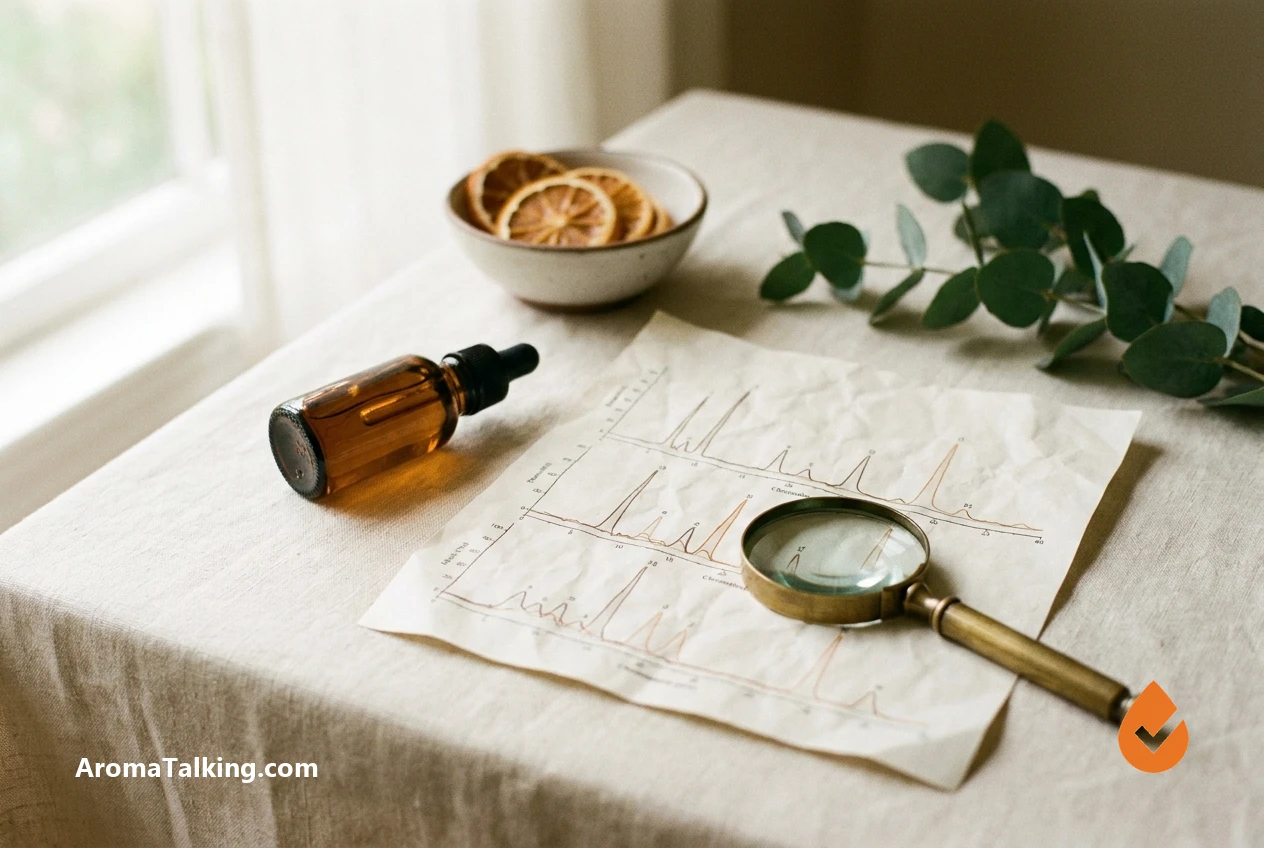
GC/MS testing, gas chromatography-mass spectrometry, works like a fingerprint scanner for essential oils. It identifies every chemical compound inside the bottle, down to trace amounts, and compares that profile against known standards for the plant species being tested.
The process works like this in simple terms:
- A sample of the oil is vaporized and passed through a gas chromatography column
- Each compound separates at a different rate, creating a unique profile
- The mass spectrometer then “reads” each compound by its molecular weight
- The resulting data report shows exactly what’s in the oil, and what shouldn’t be there
What this means for you: if a batch of lavender oil has been diluted with synthetic linalool (a cheaper lab-made compound), the GC/MS report will show it. There’s no hiding from the data.

Edens Garden has each batch GC/MS-tested by the Essential Oil University laboratory, run by analytical chemist Dr. Robert Pappas, an independent third party, meaning the brand itself doesn’t control the results. This is Purity Proof Pillar 1 in action (Edens Garden / Essential Oil University, accessed 2026-06-27). The reports are made available so you can check the batch number on your bottle against the published data. According to research on essential oil adulteration published in NIH’s PMC database, independent third-party testing is the only reliable safeguard against the synthetic oil adulteration that wellness communities consistently warn about (NIH, 2026).
The Therapeutic Grade Myth
Something that surprises most first-time buyers: “therapeutic grade” is not a regulated standard. No government agency, not the FDA, not the USDA, not any international body, officially certifies essential oils as “therapeutic grade.” Any company can print those words on any bottle.
According to the University of Minnesota’s Center for Spirituality & Healing, there is no independent organization that certifies essential oils as “therapeutic grade,” and the term is used primarily as a marketing claim (University of Minnesota, 2026). What this means for you: when you see “therapeutic grade” on a label, it tells you nothing about what’s actually inside the bottle.
What does matter is GC/MS testing from an independent lab, clear sourcing information, and batch traceability, which brings us back to Purity Proof Pillar 1. Edens Garden uses the term “100% pure” backed by verifiable documentation. That’s a meaningful distinction.
Safe Dilution for Children

Essential oils are highly concentrated plant extracts, a single drop of peppermint oil is roughly equivalent to 28 cups of peppermint tea. Children’s skin is thinner and more permeable than adult skin, which means they absorb oils faster and at higher concentrations. Never apply undiluted (meaning straight, uncut) essential oils directly to a child’s skin.
The following guidelines are drawn from aromatherapy safety standards and are consistent with guidance from clinical aromatherapy resources:
| Age Group | Max Dilution Ratio | Carrier Oil Amount Per Drop EO | Notes |
|---|---|---|---|
| Under 3 months | Avoid topical use | Diffusion only, consult pediatrician first | |
| 3-24 months | 0.25% | 1 drop per 4 tsp carrier | Diffuse in well-ventilated space only for most applications |
| 2-6 years | 1% | 1 drop per 1 tsp carrier | Avoid eucalyptus, peppermint near face |
| 6-12 years | 1.5-2% | 2 drops per 1 tsp carrier | Keep away from eyes and mucous membranes |
| 12+ years | 2-3% | 3 drops per 1 tsp carrier | Approaching adult-equivalent guidelines |

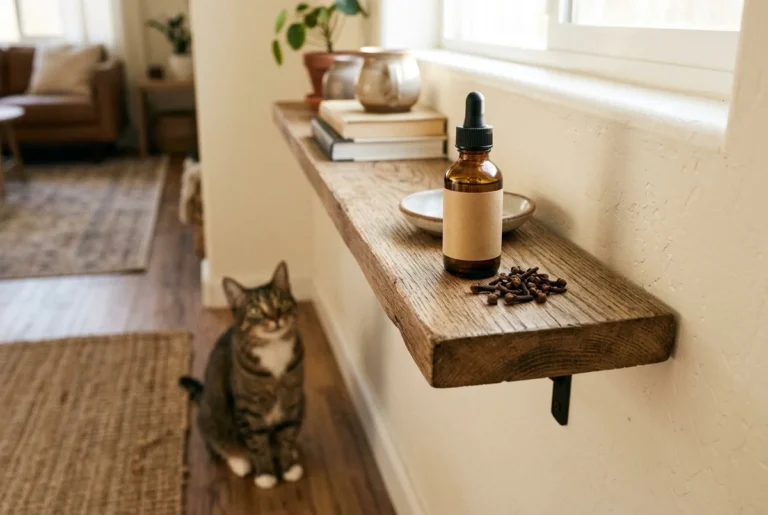
Important: Certain oils should be avoided entirely for young children regardless of dilution, including eucalyptus (1, 8-cineole type), peppermint, wintergreen, and clove. Edens Garden’s “OK for Kids” line is pre-formulated to these safer standards, which is exactly why that product tier exists. Always consult a licensed healthcare professional before using any essential oil on a child under 2 years of age. For clinical dilution standards and safety data, the National Association for Holistic Aromatherapy (NAHA) and clinical aromatherapy literature published through NIH’s PMC provide peer-reviewed reference points (NIH PMC, 2026).
Safety for Dogs and Cats
Pets are one of the most overlooked risks in essential oil use, and one of the most important to get right. Dogs and cats metabolize compounds very differently from humans, and several oils that are safe for people can cause liver damage, neurological symptoms, or respiratory distress in animals (Cornell University College of Veterinary Medicine, 2026).
Toxic Essential Oils for Pets (Avoid Entirely):
| Oil | Toxic to Dogs? | Toxic to Cats? | Primary Risk |
|---|---|---|---|
| Tea Tree (Melaleuca) | ⚠️ Yes | ⚠️ Yes (highly) | Neurological damage, muscle tremors |
| Eucalyptus | ⚠️ Yes | ⚠️ Yes | Respiratory distress, drooling |
| Pennyroyal | ⚠️ Yes | ⚠️ Yes | Liver failure (even small amounts) |
| Peppermint | ⚠️ Yes (high doses) | ⚠️ Yes | GI upset, CNS depression |
| Clove | ⚠️ Yes | ⚠️ Yes | Liver toxicity |
| Wintergreen | ⚠️ Yes | ⚠️ Yes | Contains methyl salicylate, aspirin-like toxicity |
| Ylang Ylang | ⚠️ Caution | ⚠️ Yes | Hypotension, respiratory difficulty |
| Citrus oils | ⚠️ Caution (topical) | ⚠️ Yes | Skin sensitization, GI upset |

Relatively Safer Options (with veterinary supervision): Lavender (properly diluted, not near face), frankincense, and chamomile are among those considered lower-risk for dogs in properly diluted amounts, but “lower risk” is not the same as “safe.” According to guidance from Cornell University’s College of Veterinary Medicine, pet owners should always consult a veterinarian before using essential oils in any home with animals, and diffusion in shared spaces warrants particular caution (Cornell Vet, 2026). Cats are especially vulnerable because they lack certain liver enzymes needed to metabolize phenols and terpenes.
How Does Edens Garden Compare to MLM Brands?

Based on the cost-per-drop table below, Edens Garden runs roughly 65-75% cheaper than Young Living and doTERRA at comparable purity levels. If you’ve been researching essential oils for more than a day, you’ve probably encountered those two MLM giants. The price gap isn’t about quality. It’s about business model, and here’s the data.
Cost-Per-Drop Analysis
The most practical way to compare essential oil brands isn’t sticker price, it’s cost-per-drop, because bottle sizes and oil concentrations vary. A standard 15ml bottle contains approximately 300 drops. The math below breaks down for lavender oil, the most commonly purchased essential oil globally:
| Brand | Business Model | 15ml Lavender Price | Cost Per Drop | Membership Required? |
|---|---|---|---|---|
| Edens Garden | Direct-to-consumer | ~$8-$12 | ~$0.03-$0.04 | No |
| Young Living | MLM (retail pricing) | ~$32-$36 | ~$0.11-$0.12 | Optional (saves ~24%) |
| doTERRA | MLM (retail pricing) | ~$28-$32 | ~$0.09-$0.11 | Optional (wholesale account) |
| Plant Therapy | Direct-to-consumer | ~$9-$13 | ~$0.03-$0.04 | No |
Prices observed March 2026 from brand websites; verify current pricing before buying. MLM “member” prices not included; retail comparison only. See edensgarden.com for current pricing.
On these observed figures, Edens Garden’s cost-per-drop runs roughly 65-75% lower than Young Living and doTERRA at retail pricing, a gap that compounds significantly when building a starter kit of 5-10 oils. This isn’t a minor discount. A beginner’s 10-oil starter set that costs ~$80-$120 from Edens Garden would run $250-$350 through Young Living at retail prices. For a budget-conscious first-time buyer, that difference is the entire question (prices observed March 2026; accurateclinic.com).
Testing Standards Compared
The terminology brands use to describe their quality standards is deliberately confusing. Here is what each actually means:
- GC/MS Testing (Edens Garden): Gas chromatography-mass spectrometry conducted by an independent third-party lab. Results are batch-specific and publicly accessible. This is verifiable by anyone.
- CPTG®, Certified Pure Tested Grade (doTERRA): A proprietary certification created and owned by doTERRA. Testing is primarily conducted by doTERRA-affiliated labs, though the brand does publish some third-party results. The certification name is trademarked, not an industry standard.
- Seed to Seal® (Young Living): A proprietary quality program covering sourcing, cultivation, and production. Young Living owns or co-develops many of its farms. This is a supply chain story, not a third-party testing standard.
What this means for you: CPTG and Seed to Seal are brand-controlled standards. GC/MS testing from a genuinely independent lab is the only standard that removes the brand from its own quality judgment. According to The Spruce’s guide to essential oil brands, third-party testing transparency is the primary differentiator between brands that genuinely prioritize purity and those that prioritize marketing language (The Spruce, 2026).
D2C vs. MLM Markup
The business model comparison is the clearest explanation for the price gap, and it’s the core of Purity Proof Pillar 2. In MLM distribution, a customer’s purchase price must cover the brand’s production cost plus commissions for the selling distributor, their upline, and potentially several additional distributor tiers. Industry analysis of MLM compensation structures shows that distributor commissions typically add 30-50% to the consumer’s final price (Federal Trade Commission, 2026).
Reddit communities on r/essentialoils and r/antiMLM consistently document real-world price comparisons showing Edens Garden oils matching or exceeding MLM quality at a fraction of the cost. The recurring consensus across community posts: the price difference between Edens Garden and Young Living reflects middleman markups, not quality differences. This is exactly the structural dynamic The Purity Proof Framework was designed to identify.
Which Brands to Avoid?
When evaluating alternatives to Edens Garden and leading MLMs, avoid brands that refuse to provide batch-specific GC/MS testing results. Companies found in discount stores often sell oils diluted with synthetic fragrances or cheap carrier oils without disclosing it on the label. If a brand uses the word “fragrance” or “perfume” instead of the botanical name, it is not a pure essential oil and will offer no therapeutic value.
What Are the Best Edens Garden Products to Buy?

This section addresses the most common overwhelm point for beginners: where do you actually start when facing 250+ oils? The answer is simpler than you think.
Best Single Oils
For a first-time buyer, start with high-utility oils that have the broadest everyday applications (prices below are for 10ml bottles, smaller than the 15ml size used in the cost-per-drop comparison table above):
- Lavender (~$8-$10 / 10ml), the most versatile beginner oil. Supports relaxation, skin soothing, and sleep routines. Well-tolerated at standard 2% dilution for most adults.
- Peppermint (~$7-$9 / 10ml), cooling, energizing, and useful in diluted form for tension headaches. Keep away from children under 6 and pets.
- Lemon (~$6-$8 / 10ml), fresh, uplifting, and popular in diffuser blends. Note: photosensitive, avoid skin application before sun exposure.
- Frankincense (~$12-$16 / 10ml), one of the most researched essential oils for anti-inflammatory properties. Research published in the Journal of Traditional and Complementary Medicine suggests Boswellia-derived compounds (the source of frankincense) may support reduction in inflammatory markers, though clinical evidence for topical aromatherapy use remains preliminary (NIH PMC, 2026).
- Eucalyptus (~$6-$8 / 10ml), popular for respiratory diffuser blends. Avoid in homes with cats, young children, or individuals with asthma.
If you are just starting out, check out our guide to the most popular essential oils for beginners.
Best Synergy Blends
Synergy blends are pre-formulated combinations of multiple essential oils (meaning Edens Garden’s team has already done the blending work for you). They’re ideal for beginners who aren’t yet confident mixing their own combinations.
Top Edens Garden Synergy Blends:
- Fighting Five: Edens Garden’s most popular blend, designed for diffusion during cold and flu season. Contains clove, lemon, eucalyptus, cinnamon, and rosemary. Note: Keep away from pets and children under 10 due to eucalyptus and clove content.
- De-Stress: A calming blend of lavender, bergamot, ylang ylang, and clary sage. Frequently recommended on r/essentialoils for work-from-home diffusion.
- Immune Support: A lighter wellness-oriented blend; more appropriate for homes with children than Fighting Five.
- Good Night: Designed for bedtime diffusion routines; lavender-forward with Roman chamomile and vetiver.

Eden Botanicals vs. Edens Garden
No, Eden Botanicals and Edens Garden are two completely separate companies. This confusion shows up regularly in search results and wellness forums, so it’s worth a clear disambiguation.
- Edens Garden (edensgarden.com), the brand reviewed in this article. Founded 2009, San Clemente, California. Women-owned, direct-to-consumer, wide catalog, beginner-friendly pricing.
- Eden Botanicals (edenbotanicals.com), a separate aromatherapy supplier founded in 1994, based in Northern California. Known for offering more artisan and specialty single-origin oils, typically at higher price points, primarily serving perfumers and advanced aromatherapy practitioners.
The two brands have no ownership or business relationship. If you’ve been searching “eden botanicals essential oils” looking for information about the brand reviewed here, you’ve been looking at a different company entirely.
Where to Buy Authentic Oils
The safest place to buy Edens Garden oils is directly from edensgarden.com. Purchasing direct ensures you receive the correct batch, with the published GC/MS certificate matching your specific bottle. It also means you’re eligible for the brand’s rewards program and can verify batch numbers against published lab reports.
Edens Garden is also available on Amazon through the official Edens Garden storefront, look for “Ships from and sold by Edens Garden” or “Sold by Edens Garden LLC” to avoid third-party resellers. Always verify the seller is “Edens Garden LLC” before purchasing from third-party marketplaces.
Avoid purchasing from unfamiliar third-party Amazon sellers, eBay listings, or discount sites that don’t disclose batch provenance. Authentic essential oils can be adulterated in the supply chain after leaving the manufacturer.
Who Should Choose It
- Choose Edens Garden if:
- You’re a first-time or early-stage buyer who wants verifiable purity without paying MLM markup
- You have children or pets and need a brand with dedicated safety documentation
- You want to build a 10+ oil collection without spending $300+
- You value the ability to check your specific batch’s GC/MS certificate before using the oil
- You’re transitioning away from Young Living or doTERRA and want comparable purity at significantly lower cost
- Consider alternatives if:
- You want ultra-premium, small-batch single-origin artisan oils for professional perfumery, Eden Botanicals or Floracopeia may better serve your needs
- You require USDA Certified Organic labeling on every oil (Edens Garden offers some certified organic options but not across the full catalog)
- You prefer in-person retail shopping with the ability to smell before buying, Edens Garden is online-only
- You’re looking for a brand with a physical spa or clinical partnership program
What Are the Safety Risks and Limitations?

Common Beginner Mistakes
Even with a trusted brand like Edens Garden, misuse is the most common source of problems. The oil is only as safe as how it’s used. These are the five most frequently documented beginner errors:
- Applying undiluted oil directly to skin. “Undiluted” means straight from the bottle with no carrier oil (like coconut, jojoba, or almond oil). Even lavender, often marketed as skin-safe neat, can cause sensitization reactions with repeated undiluted use. Always dilute first.
- Diffusing too long in unventilated spaces. Continuous diffusion for hours in a closed room can cause headaches, nausea, or respiratory irritation, especially for children and pets. Diffuse for 30-60 minutes, then ventilate the space.
- Assuming “natural” means safe for everyone. Natural origin doesn’t equal universal safety. Tea tree oil is natural. So is pennyroyal, which can cause liver failure in cats in small amounts. Purity matters; appropriateness for your specific household matters more.
- Ignoring photosensitivity warnings on citrus oils. Cold-pressed lemon, lime, bergamot, and grapefruit oils contain compounds called furanocoumarins that can cause severe skin burns or dark pigmentation spots when exposed to sunlight within 12-18 hours of topical application.
- Ingesting oils without professional guidance. Essential oils are extremely concentrated. The FDA has not approved any essential oil for internal use as a drug. See the FDA’s position on aromatherapy products, ingestion without licensed guidance is a documented safety risk (FDA, 2026).
When It’s Not the Right Fit
Honest reviews acknowledge limitations, and Edens Garden has a few genuine ones. The brand’s online-only model means you can’t smell before you buy, which matters for someone building their first collection. A sample or discovery set mitigates this, but it’s worth knowing upfront.
The packaging, while functional and properly designed, lacks the premium aesthetic of some high-end competitors. If you’re buying as a gift for someone with strong brand-presentation preferences, a brand like doTERRA or Rocky Mountain Oils may present more attractively, though at significantly higher cost.
For buyers who specifically want USDA Certified Organic certification across their entire collection, Edens Garden’s organic range is narrower than some competitors. Look into certified organic essential oil alternatives from brands like Plant Therapy or Mountain Rose Herbs if this certification is non-negotiable for your use case.
Finally, Edens Garden’s customer service (while generally well-rated) can experience delays during peak seasons. If you need time-sensitive support for a health-related question, reaching a certified aromatherapist directly through the brand may require patience.
When to Seek Expert Help
Essential oils are not a substitute for medical care. Consult a qualified healthcare provider before using essential oils in any of these situations:
- Pregnancy or breastfeeding: Many oils carry documented risks during pregnancy (clary sage, rosemary, and cinnamon bark, among others)
- Children under 2 years of age: The safety margin is narrow and the risks are meaningful
- Any pet with known health conditions: Liver or kidney disease significantly increases toxicity risk
- Anyone on prescription medications: Some essential oil compounds can interact with medications metabolized by cytochrome P450 enzymes
- Active skin conditions: Eczema, psoriasis, or broken skin changes absorption rates significantly
- Respiratory conditions: Asthma, COPD, or chronic bronchitis can be aggravated by diffused terpenes
The information in this article is educational. For personalized guidance, a licensed naturopathic doctor, certified clinical aromatherapist, or your primary care physician is the appropriate resource.
Frequently Asked Questions
Are the oils high quality?
Edens Garden essential oils show strong, verifiable quality signals through independent GC/MS testing and batch-specific certificates from the Essential Oil University lab. Public sentiment is mixed but leans positive: Trustpilot sits around 3.2/5 “Average” on an unclaimed profile, while scent authenticity and value draw the most consistent praise (Trustpilot, accessed 2026-06-27).
Is it therapeutic grade?
“Therapeutic grade” is an unregulated marketing term, no government body or independent organization certifies essential oils to this standard. Any brand can print it on any label. Edens Garden uses the term “100% pure” backed by verifiable GC/MS documentation from an independent lab instead. That provides a much more meaningful quality signal than any proprietary certification a brand invents (University of Minnesota, 2026).
How does it compare to MLMs?
Edens Garden competes directly with Young Living and doTERRA on purity but wins decisively on price. Based on observed retail pricing, Edens Garden lavender oil runs roughly 65-75% lower per drop, saving buyers significant money over time (prices observed March 2026; Accurate Clinic). Testing transparency also favors Edens Garden, as its GC/MS reports come from an independent lab rather than brand-controlled standards.
Which brand is best?
For most beginner buyers, Edens Garden and Plant Therapy represent the strongest combination of verified purity and accessible pricing among non-MLM brands. Both publish independent GC/MS testing for every batch they produce. The Purity Proof Framework applies here: look for independent testing, no MLM markup, safety guidance, and transparent sourcing. Premium single-origin buyers may also consider Eden Botanicals for specialty applications.
Are they safe for kids & pets?
Edens Garden offers one of the few dedicated “OK for Kids” product lines among non-MLM brands, pre-formulated to safer dilution standards. However, “safe for kids” always depends heavily on age, dilution ratio, application method, and which specific oils are used. For pets, the risk picture is even more complex, so always consult a veterinarian before diffusing oils like tea tree or eucalyptus in homes with animals (Cornell Vet, 2026).
Are Edens Garden Essential Oils Good?
Within budget-focused wellness communities, Edens Garden is frequently recommended as a strong-value non-MLM option, and the verifiable evidence backs that up on purity and price. It publishes batch-specific GC/MS test reports from an independent lab and prices its oils well below MLM competitors. The main trade-offs are a less hand-held beginner experience than MLM brands, occasional scent-consistency variation between batches, and a mixed Trustpilot rating (around 3.2/5), which matter more for some buyers than others.
doTERRA vs Edens Garden: Which Is Better?
For most buyers, Edens Garden offers better value: comparable third-party-tested purity at roughly half the per-mL price, with no MLM markup. doTERRA’s advantages are a larger distributor support network and brand ubiquity. If you want verified quality without paying for a commission structure, Edens Garden is the stronger pick; if you value an in-person consultant relationship, doTERRA fits better. See our full doTERRA review for the MLM-side detail.
Prices observed March 2026 (verify current). This article was last reviewed and updated by Ellen Cooper on March 10, 2026.
Conclusion
For first-time and budget-conscious buyers, Edens Garden is a well-supported choice on the evidence that can be verified, though public sentiment is mixed (Trustpilot around 3.2/5). The brand meets the verifiable pillars of The Purity Proof Framework: independent third-party GC/MS verification via the Essential Oil University lab, direct-to-consumer pricing that removes MLM middleman markup, and dedicated family and pet safety documentation (including the “OK for Kids” line). Public ratings are mixed (Trustpilot around 3.2/5 “Average,” and the brand is not BBB-accredited), so the strongest case for Edens Garden rests on its testing transparency and price, not on star scores (Trustpilot, accessed 2026-06-27).
The Purity Proof Framework exists because most essential oil decisions are made on marketing language, not evidence. “Therapeutic grade,” “CPTG,” and “Seed to Seal” are proprietary terms designed to build brand loyalty, not independently verifiable quality standards. When you apply a 4-point evidence check instead, the decision simplifies: Edens Garden passes on the pillars that can actually be verified, and it does so at a fraction of the cost of its MLM competitors. That’s not a coincidence. It’s the structural result of removing distributor layers from your purchase price.
Start with a 3-5 oil beginner set directly from edensgarden.com, lavender, lemon, and frankincense cover the widest range of everyday uses and carry the lowest safety complexity for new users. Give the oils 30 days of consistent use in a single application context (diffusion, topical diluted application, or bath blend) before expanding your collection. Our beginner essential oils guide maps your next purchase with the same evidence-first approach you used today.
AromaTalking editorial rating: 4.2 / 5, strong, independently GC/MS-verified purity and genuine non-MLM value; the half-point deduction reflects mixed public service sentiment (Trustpilot around 3.2/5) and online-only buying.
How Edens Garden Compares
| Brand | Price Range (15ml) | Testing Method | MLM? | Single Oils | Return Policy | Our Verdict |
|---|---|---|---|---|---|---|
| Edens Garden | $5-$15 | 3rd-party GC/MS | No | 150+ | 30-day returns | Great Range & Value |
| Plant Therapy | $6-$15 | 3rd-party GC/MS | No | 170+ | 90-day returns | Best Overall Value |
| Rocky Mountain Oils | $8-$20 | S.A.A.F.E. 3rd-party | No | 100+ | 90-day returns | Most Transparent |