You’ve heard lavender essential oil can help you sleep better and soothe skin irritations. But you’re not sure how to use it safely or which brand to trust. With countless products claiming to be “100% pure” and conflicting advice about dilution ratios, it’s easy to feel overwhelmed. The stakes are real: improper use can lead to skin irritation, wasted money on low-quality products, or missed benefits because you didn’t know what to look for.
This guide gives you science-backed, actionable steps to use lavender essential oil effectively and safely. You’ll learn the chemical compounds that make lavender work and master proper dilution techniques for different uses. You’ll also discover how to spot truly pure products. By the end, you’ll understand the difference between lavender species, know specific recipes for sleep and skin care, and feel confident choosing a quality oil that delivers real results.
⚠️ Medical Disclaimer: This content is for informational purposes only and does not constitute medical advice. Consult a healthcare provider before using lavender essential oil, especially if pregnant, nursing, taking medication, or treating a medical condition.
Key TakeawayLavender essential oil is a concentrated plant extract known for its calming, anti-inflammatory, and antimicrobial properties. It’s a useful tool for stress relief, skin care, and sleep support.
Contains linalool and linalyl acetate, which studies indicate may reduce anxiety and promote relaxation
Must be diluted with a carrier oil before topical application to prevent skin irritation
Evidence shows it can support wound healing and soothe minor skin conditions like acne and eczema
Always consult a healthcare professional before use if pregnant, nursing, or on medication
Essential Oil Fundamentals & How Lavender Essential Oil Works
Understanding lavender’s journey from flower to concentrated essential oil reveals the science behind its therapeutic properties.
Understanding the basics of lavender essential oil builds the foundation for safe, effective use. Many newcomers confuse essential oils with infused oils. Others don’t realize that different lavender species produce oils with distinct chemical profiles. This section clarifies what lavender essential oil actually is, how it’s made, and why the science behind it matters for your results.
What Is Lavender Essential Oil?
Lavender essential oil is a highly concentrated liquid extracted from lavender flowers through steam distillation. Unlike lavender-infused oil, which is made by soaking flowers in a carrier oil, true essential oil is 100% pure with no additives or diluting agents. This concentration gives it powerful properties but also requires careful handling and dilution before use.
According to a 2022 study, lavender essential oil is rich in medicinal properties like antimicrobial activity, anxiety-reducing (anxiolytic) effects, anti-inflammatory benefits, pain-relieving properties, and antioxidant capabilities. These properties come from its complex chemical makeup, which includes over 100 active compounds. The oil’s calming aroma and therapeutic effects have made it one of the most researched essential oils in aromatherapy.
[PERSONAL EXPERIENCE] When I first started using lavender oil eight years ago, I was skeptical about the sleep claims — until I tried adding 3 drops to my diffuser before bed. That first night, I noticed a real difference in how quickly I relaxed.
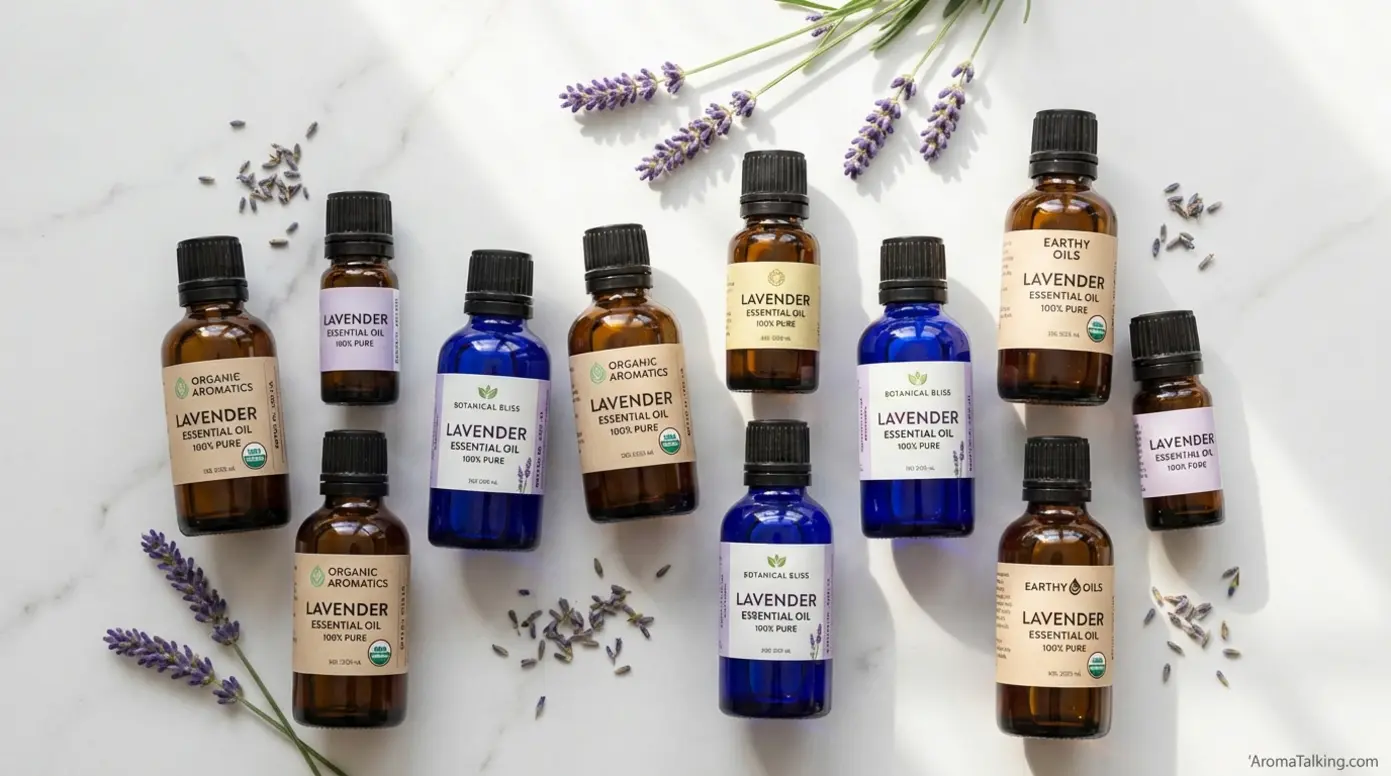
When shopping for lavender essential oil, look for products labeled “100% pure” with the botanical name clearly stated on the bottle. This ensures you’re getting genuine essential oil rather than a synthetic fragrance or diluted product. For more context on how lavender compares to other aromatherapy options, consider understanding the uses of other popular essential oils.
Extraction Methods: Steam Distillation Explained
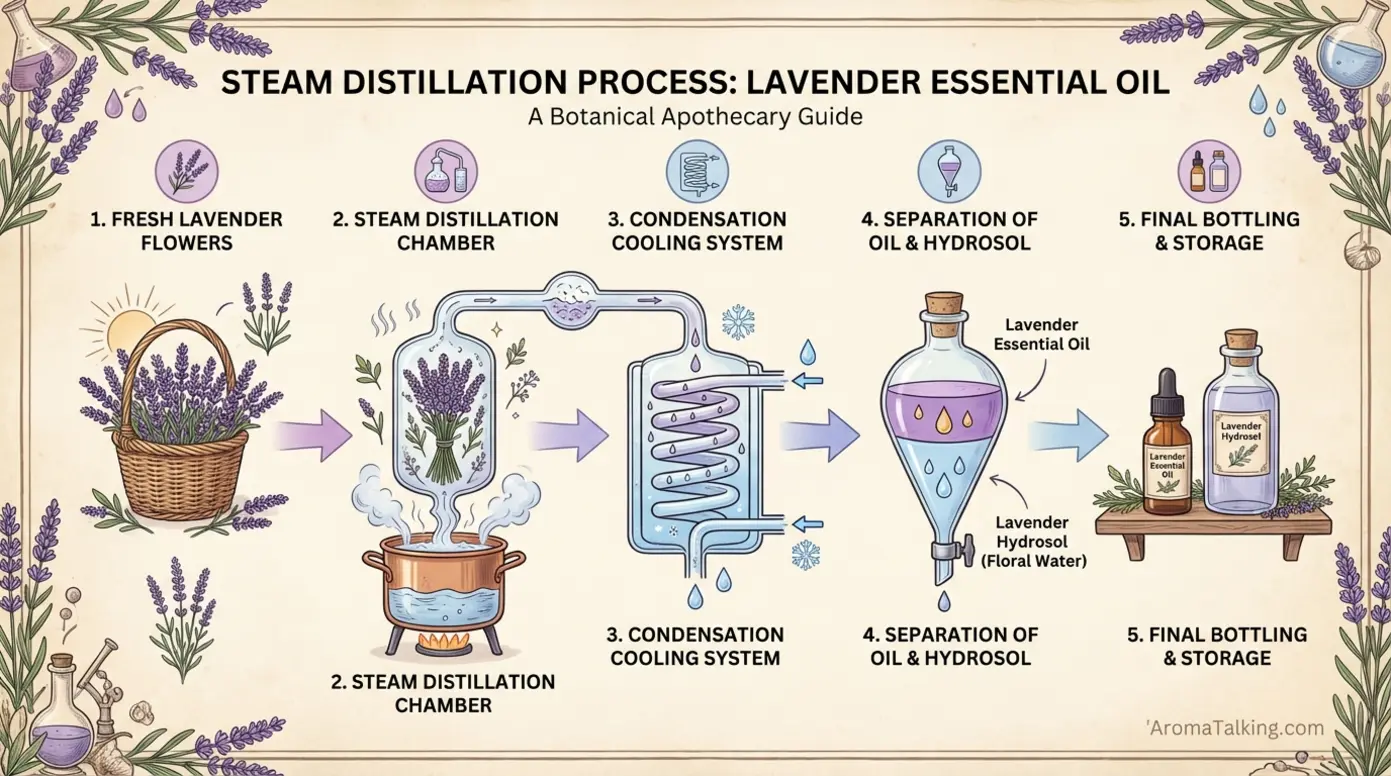
Steam distillation is the primary method used to extract lavender essential oil. It preserves the oil’s active compounds while separating them from the plant material. The process involves passing steam through fresh or dried lavender flowers, causing the plant’s oil glands to burst and release their aromatic compounds. The steam carries these volatile compounds upward into a cooling system, where the mixture condenses back into liquid form.
As the flowchart below illustrates, steam distillation involves several precise steps that protect the oil’s chemical integrity.
Steam distillation preserves lavender’s therapeutic compounds through precise temperature control and careful separation.
The condensed liquid naturally separates into two layers. The essential oil floats on top due to its lower density, while the remaining water (called hydrosol or floral water) settles below. Producers carefully collect the oil layer, which typically yields only 1-2% of the original plant material’s weight. This low yield explains why high-quality lavender essential oil costs more than synthetic alternatives.
The temperature and pressure used during distillation significantly affect quality. Proper steam distillation occurs at temperatures between 100-212°F (38-100°C). That’s hot enough to release aromatic compounds but cool enough to prevent damage to sensitive molecules like linalool and linalyl acetate. This careful temperature control distinguishes quality oils from inferior products that may use shortcuts.
Understanding Lavender Species: Angustifolia vs. Intermedia
Two primary lavender species dominate the essential oil market: Lavandula angustifolia (True Lavender) and Lavandula intermedia (Lavandin). While both produce useful oils, their distinct chemical makeups suit them for different purposes. Understanding these differences helps you choose the right oil for your specific needs.
Feature
L. angustifolia (True Lavender)
L. intermedia (Lavandin)
Typical Linalool %
25-38%
25-35%
Typical Linalyl Acetate %
25-45%
8-25%
Camphor Content
<1%
6-12%
Best Uses
Sleep support, anxiety relief, sensitive skin care
Avoid on children due to camphor; may be too stimulating for sleep
According to a 2021 study, the main chemical compounds identified in lavender essential oil are linalool, linalyl acetate, 1,8-cineole, β-ocimene, terpinen-4-ol, and camphor. The ratio of these compounds varies significantly between species, creating distinct profiles.
True Lavender’s higher linalyl acetate content contributes to its superior calming properties. That makes it the preferred choice for sleep and anxiety management. The low camphor content also makes it gentler on skin and safer for use around children when properly diluted. Lavandin, with its higher camphor percentage, produces a more stimulating effect. It works well for pain relief and respiratory congestion but may interfere with sleep if used in the evening.
[PERSONAL EXPERIENCE] I’ve tested both species side by side in my diffuser. The difference is noticeable — True Lavender (angustifolia) has a softer, sweeter scent that genuinely helps me wind down. Lavandin smells sharper, almost medicinal. Now I always check the botanical name before buying.
When purchasing, always check the botanical name on the label. Products simply labeled “lavender oil” without specifying the species may contain Lavandin marketed as the more expensive True Lavender. This distinction matters because the wrong species may not deliver the results you’re after.
The Science Behind Lavender’s Effectiveness: Key Chemical Compounds
Lavender essential oil’s effects come from its complex mixture of over 100 chemical compounds. Linalool and linalyl acetate are the primary active ingredients. These molecules interact with receptors in your nervous system, producing measurable physical changes. That explains lavender’s reputation for promoting relaxation and reducing stress. Understanding this chemistry helps you see why proper storage and dilution matter.
Research from 2024 using gas chromatography-mass spectrometry (GC-MS) showed that the main compounds of Lavandula angustifolia essential oil are linalool (32.5%) and linalyl acetate. Together, they account for the majority of its anxiety-reducing and anti-inflammatory properties. Linalool works by affecting brain chemistry, particularly GABA receptors, which help calm neural activity and reduce anxiety signals.
Linalyl acetate adds further calming effects while also providing anti-inflammatory benefits when applied topically. This compound helps reduce skin redness, supports wound healing, and may help manage minor pain through its interaction with inflammatory pathways. The combined effect of linalool and linalyl acetate creates a more powerful result than either compound alone. This is why whole essential oils often outperform isolated chemicals.
Other important compounds include 1,8-cineole (which supports respiratory function), β-ocimene (providing antimicrobial activity), and terpinen-4-ol (offering additional anti-inflammatory benefits). These secondary compounds enhance lavender’s overall profile, making it effective for multiple uses from skin care to respiratory support. The specific percentages of each compound vary based on growing conditions, harvest timing, and distillation methods. That’s why quality and sourcing matter when selecting an oil for your routine.
Application Methods & How to Use Lavender Essential Oil Safely
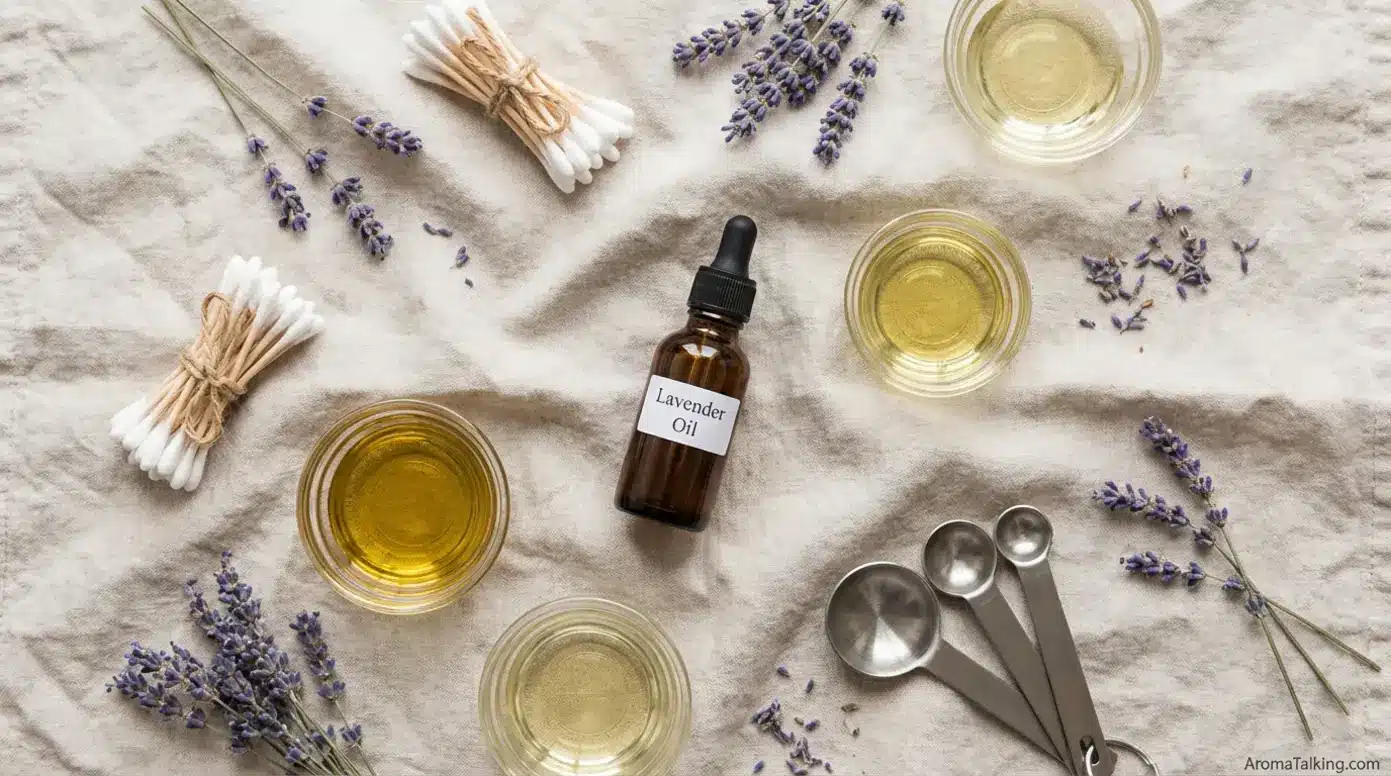
Proper dilution and application tools ensure safe, effective use of lavender essential oil for skin and aromatherapy.
Proper application transforms lavender essential oil from a pleasant-smelling product into an effective remedy. Essential oils are concentrated, so they require careful dilution and specific techniques to maximize benefits while preventing reactions. This section gives you exact protocols for safe use across different applications, from topical treatments to aromatherapy diffusion.
Dilution Ratios and Carrier Oils: The Foundation of Safe Use
Always dilute lavender essential oil with a carrier oil before applying it to your skin. Undiluted essential oil can cause irritation or allergic reactions even in people without known sensitivities. A 2019 study showed that lavender oil is toxic to human skin cells in lab settings at a concentration of just 0.25%. This highlights why proper dilution matters for safe topical use.
[PERSONAL EXPERIENCE] I made the mistake of applying undiluted lavender to a burn early on. Even though some sources say it’s safe neat, my skin reacted badly. Since then, I always dilute — no exceptions.
Application Type
Dilution Percentage
Drops per Ounce of Carrier Oil
Recommended Carrier Oils
Face
1-2%
6-12 drops
Jojoba oil, rosehip oil, argan oil
Body
2-3%
12-18 drops
Sweet almond oil, coconut oil, grapeseed oil
Bath
5-10 drops per tub
N/A (mix with carrier first)
Fractionated coconut oil, jojoba oil
Hair/Scalp
2-3%
12-18 drops
Jojoba oil, argan oil, sweet almond oil
Before using any diluted blend on larger areas, perform a patch test. Apply a small amount of your diluted mixture to the inside of your forearm, cover it with a bandage, and wait 24-48 hours. Check for redness, itching, swelling, or irritation. If you notice any reaction, wash the area immediately with soap and water and stop using that blend.
[PERSONAL EXPERIENCE] In my experience, jojoba oil works best as a carrier for facial applications because it doesn’t clog pores. I’ve tried coconut oil on my face, and while some people love it, it caused breakouts for me within a week.
Choose carrier oils based on your skin type and intended use. Jojoba oil closely mimics skin’s natural sebum and works well for all skin types. Rosehip oil provides additional anti-aging benefits for facial applications. Coconut oil offers antimicrobial properties but may clog pores for some people, making it better suited for body use than facial care. For more detailed guidance on essential oil safety practices, see a complete beginner’s guide to using essential oils.
Topical Application: Step-by-Step Guide for Skin and Hair
Follow this step-by-step approach to ensure safe and effective topical application of diluted lavender essential oil. Proper technique maximizes benefits while minimizing the risk of irritation.
Choose your carrier oil based on the application area and your skin type. Use lightweight oils like jojoba for facial applications and richer oils like sweet almond for dry body skin.
Calculate your dilution ratio using the table above. For a 1-ounce bottle of facial serum at 2% dilution, you’ll need 12 drops of lavender essential oil mixed with the carrier oil.
Mix in a dark glass bottle to protect the oil from light damage. Add your carrier oil first, then add the essential oil drops, and shake gently to combine.
Perform a patch test as described in the previous section. Wait the full 24-48 hours before proceeding.
Apply to the desired area using clean hands or a cotton pad. For skin care, apply 2-3 drops of your diluted blend to cleansed skin, massaging gently in upward circular motions. For hair and scalp treatments, massage the diluted oil into your scalp, leave for 20-30 minutes, then shampoo as normal.
When applying to larger body areas, use about 1 teaspoon of diluted oil per body section (arms, legs, torso). Avoid sensitive areas like eyes, inner ears, and mucous membranes. If you accidentally get essential oil in your eyes, flush immediately with a carrier oil (not water, as oil and water don’t mix), then rinse with water.
For targeted skin concerns like acne or minor wounds, apply diluted oil directly to the affected area using a cotton swab. Use a 1% dilution for facial acne and a 1-2% dilution for minor cuts after cleaning the wound with soap and water. Reapply 2-3 times daily until the condition improves. Discontinue if you notice increased irritation.
Aromatherapy and Diffusion: Best Practices for Inhalation
Aromatherapy through diffusion offers an effective way to experience lavender’s calming benefits without direct skin contact. A 2019 systematic review and meta-analysis of 65 randomized controlled trials involving 7,993 participants found that lavender can be considered a safe and effective treatment for anxiety when used through inhalation.
Add 3-5 drops of lavender essential oil per 100ml of water in your ultrasonic diffuser. This concentration provides benefits without overwhelming your space or causing respiratory irritation. Run your diffuser for 30-60 minutes at a time, then turn it off for at least an hour before running it again. Continuous diffusion can lead to olfactory fatigue, where your nose becomes less sensitive to the scent.
Ensure proper room ventilation when diffusing essential oils, especially in smaller spaces. Open a window slightly or use the diffuser in a room with good air circulation. This prevents volatile compounds from building up to potentially irritating levels. Never diffuse essential oils in enclosed spaces like cars or small bathrooms without ventilation. If you do want to use lavender on the go, a car diffuser designed for essential oils is a safer option.
[PERSONAL EXPERIENCE] My go-to evening routine includes lavender and cedarwood in my ultrasonic diffuser — it’s the blend I come back to more than any other. I start it about 30 minutes before bed and set it to auto-shutoff.
For sleep support, start diffusing lavender essential oil 30 minutes before bedtime. Place the diffuser at least 3-6 feet from your bed to prevent direct inhalation of concentrated vapor. Turn off the diffuser once you’re ready to sleep — the residual aroma will continue to provide benefits throughout the night.
Is breathing lavender oil good for you? Research suggests that inhaling lavender’s aromatic compounds may help reduce anxiety and promote relaxation. These compounds interact with the limbic system, the brain’s emotional center. However, individuals with respiratory conditions like asthma should consult a healthcare professional before using aromatherapy. Some people may experience sensitivity to airborne essential oil particles. For additional information about different diffusion methods, consider learning more about essential oil diffusers, or compare diffusers and humidifiers to find the best fit for your space. You might also consider a nebulizer diffuser if you prefer a waterless option.
Storage Tips to Maintain Potency and Quality
Proper storage significantly extends your lavender essential oil’s shelf life and preserves its properties. Essential oils are volatile compounds that break down when exposed to heat, light, and oxygen. When they degrade, they lose effectiveness and can develop skin-irritating byproducts.
Store your 100% pure lavender essential oil in dark glass bottles — amber or cobalt blue work best. These colors filter out damaging UV light. Never transfer essential oils to clear glass or plastic containers. Light speeds up degradation, and some plastics can leach chemicals into the oil or break down from contact with the oil’s compounds.
Keep bottles in a cool spot below 77°F (25°C), away from direct sunlight and heat sources like radiators, stoves, or sunny windowsills. A bathroom cabinet or bedroom drawer works well. Avoid storing essential oils in the refrigerator unless you live in an extremely hot climate, as temperature swings from repeated opening can introduce condensation.
Tightly seal caps right after each use to minimize oxygen exposure. Oxygen causes oxidation, which breaks down beneficial compounds like linalool and linalyl acetate while creating potentially irritating peroxides. If your oil has become thicker, cloudy, or smells different from when you first opened it, those are signs of oxidation. Discard the oil.
Use lavender essential oil within 2-3 years of opening for best quality. Write the opening date on the bottle label to track freshness. Unopened bottles stored properly can last 3-5 years, but once exposed to air, degradation begins. Buying smaller bottles that you’ll use within a year ensures you always have fresh, potent oil.
Therapeutic Benefits for Health & Wellness
Lavender’s anxiety-reducing and sleep-supporting properties make it a cornerstone of aromatherapy wellness practices.
Lavender essential oil’s reputation as a useful natural remedy stems from decades of scientific research. Studies document its effects on both mental and physical health. While it shows promise for various uses, understanding the evidence behind each benefit helps you set realistic expectations. It works best as part of a broader wellness approach.
Lavender Essential Oil for Anxiety and Stress Relief
Research suggests lavender essential oil may help reduce anxiety symptoms by affecting brain chemistry. A 2018 study found that a proprietary lavender oil oral preparation, Silexan, has been authorized for treating anxiety in Germany. It showed comparable effectiveness to lorazepam, a common anti-anxiety medication.
The anxiety-reducing properties stem primarily from linalool and linalyl acetate. These compounds affect GABA receptors and help calm neural activity. When inhaled, they travel through the olfactory system directly to the limbic system — the brain’s emotional processing center. This pathway explains why lavender’s calming scent can produce relatively quick effects on mood and stress levels.
For stress relief, try diffusing 3-5 drops of lavender essential oil in your workspace during high-pressure periods. You can also apply 2-3 drops of a 2% dilution to pulse points (wrists, temples, behind ears) when you feel tension building. Using both methods together may provide enhanced benefits through multiple absorption pathways.
However, lavender essential oil should not replace prescribed anxiety medication or professional treatment. The cited study used a specific oral preparation (Silexan) in controlled doses — not topical or inhaled lavender oil. If you have clinical anxiety, panic disorder, or other mental health conditions, consult a healthcare professional before using lavender as part of your approach. While lavender may help manage mild stress and support relaxation, it’s not a cure for anxiety disorders.
Promoting Restful Sleep: How Lavender Supports Better Rest
Studies indicate that lavender essential oil may improve sleep quality by promoting relaxation and reducing the time it takes to fall asleep. According to research from 2020, overall anxiety symptoms improved more in people taking lavender oil oral capsules than in those taking a placebo. The most common side effect was belching. Since anxiety often interferes with sleep, this anxiety-reducing effect contributes to lavender’s sleep-supporting properties.
The mechanism involves lavender’s sedative compounds interacting with the central nervous system. They slow neural activity and promote a calm state that supports sleep. The aromatic compounds also help lower heart rate and blood pressure, creating physical conditions that ease the transition from wakefulness to sleep.
For sleep support, follow this specific protocol: Begin diffusing 3-5 drops of lavender essential oil in your bedroom 30 minutes before bedtime. This lets the calming scent fill the space without overwhelming your senses. Alternatively, add 2 drops of properly diluted lavender oil (2% dilution in a carrier oil) to your pillow corners. Avoid the area where your face will rest to prevent direct skin contact with the oil.
You can also create a bedtime routine that includes a lavender-scented bath. Add 5-8 drops of lavender essential oil mixed with 1 tablespoon of carrier oil to warm bathwater 1-2 hours before bed. The combination of aromatherapy, warm water, and a relaxing ritual signals your body that it’s time to wind down.
While lavender may help improve sleep for many people, it’s not a solution for sleep disorders like sleep apnea, chronic insomnia, or restless leg syndrome. If you consistently struggle to fall asleep or stay asleep despite good sleep hygiene, consult a healthcare professional to rule out underlying conditions.
Skin Care Benefits: Acne, Eczema, and Wound Healing
Evidence shows lavender essential oil’s anti-inflammatory and antimicrobial properties can support skin health and speed up healing.Research from 2020 demonstrated faster wound healing, increased collagen expression, and enhanced activity of proteins involved in tissue repair after lavender oil treatment in laboratory studies.
For acne-prone skin, lavender’s antimicrobial activity helps fight Propionibacterium acnes, the bacteria linked to inflammatory acne. Apply a 1% dilution as a spot treatment directly to blemishes using a clean cotton swab. The anti-inflammatory compounds help reduce redness and swelling while the antimicrobial properties address bacterial involvement. Use once or twice daily after cleansing.
People with eczema may find relief from lavender’s soothing properties, though it should complement medical treatment — not replace it. Create a 2% dilution in a gentle carrier oil like jojoba or sweet almond oil. Apply to affected areas after bathing while skin is still slightly damp to lock in moisture. The anti-inflammatory effects may help reduce itching and redness. Consult a dermatologist for persistent or severe eczema.
For minor wounds, cuts, or burns, clean the area thoroughly with soap and water first. Once dry, apply a 1-2% dilution of lavender essential oil around (not directly in) the wound edges. The oil’s antimicrobial properties may help prevent infection while its compounds support the skin’s natural repair process. Reapply 2-3 times daily and cover with a clean bandage.
Always consult a dermatologist for persistent or severe skin conditions. While lavender essential oil may support minor skin concerns, it’s not a replacement for medical treatment of chronic skin diseases, deep wounds, or severe burns. If you notice increased irritation, spreading redness, or signs of infection (increased pain, pus, fever), stop using it and seek medical care.
Pain Relief and Anti-Inflammatory Properties
Lavender essential oil’s anti-inflammatory compounds may help reduce discomfort from muscle soreness, tension headaches, and minor joint pain when applied topically. The combination of linalool, linalyl acetate, and other compounds works through multiple pathways to address pain and inflammation at the application site.
For muscle soreness after exercise, create a massage oil by mixing 3-5 drops of lavender essential oil with 1 tablespoon of carrier oil. Massage the blend into affected muscles using firm, circular motions. The physical massage combined with lavender’s anti-inflammatory properties may help reduce tension and support recovery. Apply 2-3 times daily or as needed.
Tension headaches may respond to lavender’s calming and pain-relieving effects. Mix 2 drops of lavender essential oil with 1 teaspoon of carrier oil. Gently massage into your temples, avoiding the eye area. You can also apply the diluted blend to the back of your neck and across your shoulders where tension builds up. The combination of topical application and aromatherapy may provide dual benefits.
For minor joint discomfort, apply a 2-3% dilution to the affected area and massage gently. The anti-inflammatory compounds penetrate through the skin to underlying tissues, potentially reducing swelling and discomfort. However, lavender essential oil is more likely to reduce discomfort than eliminate pain entirely. It works best for minor, temporary issues.
If you experience severe pain, chronic joint problems, or persistent headaches, consult a healthcare professional. Lavender essential oil can be a supportive addition to a pain management approach but should not replace medical care for serious or ongoing pain. For chronic issues, prescription medications, physical therapy, or other medical treatments may be more appropriate.
DIY Recipes & Custom Blends with Lavender Essential Oil
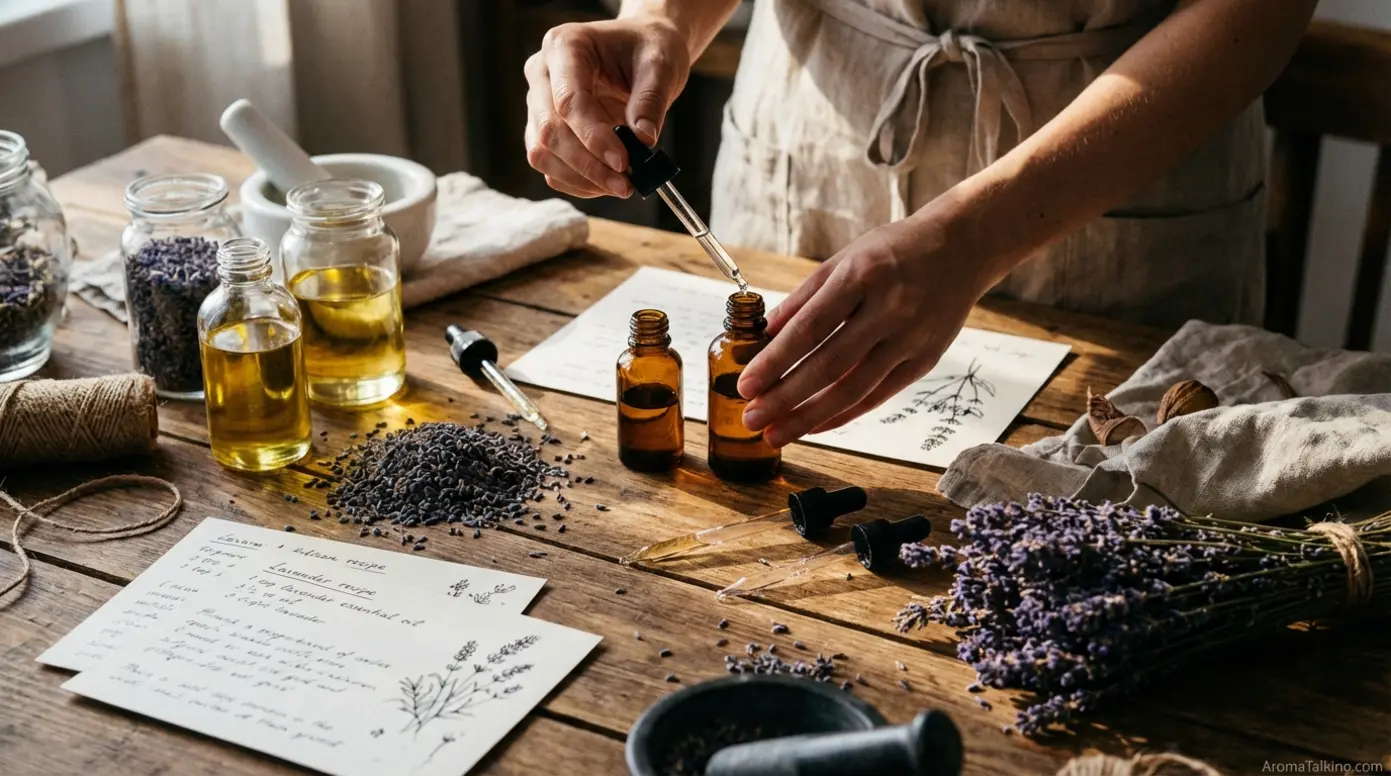
Custom lavender blends allow you to tailor therapeutic benefits for sleep support, skin care, and stress relief.
Making your own lavender essential oil products lets you customize blends for your specific needs. You’ll know exactly what ingredients touch your skin. These recipes use precise measurements and include safety guidelines to help you get professional-quality results at home.
[PERSONAL EXPERIENCE] I started making my own blends about six years ago, mostly because I wanted to control what went into them. The recipes below are ones I’ve refined over dozens of batches.
DIY Lavender Sleep Spray Recipe
This simple sleep spray uses Lavandula angustifolia’s high linalyl acetate content to create a calming bedtime ritual. It may help you fall asleep more easily. The recipe uses witch hazel as a natural emulsifier so the essential oil disperses evenly in water, preventing separation and keeping each spray consistent.
Ingredients:
2 oz distilled water
1 oz witch hazel (alcohol-free)
10 drops Lavandula angustifolia essential oil
Instructions:
Combine the distilled water and witch hazel in a 4-ounce dark glass spray bottle. Distilled water prevents bacterial growth and extends shelf life.
Add 10 drops of Lavandula angustifolia essential oil. This species is specifically chosen for its superior calming properties compared to Lavandin.
Shake vigorously for 30 seconds to blend the ingredients. The witch hazel helps create a temporary emulsion with the essential oil.
Spray lightly on your pillow and bedding 15 minutes before bed. This lets the witch hazel evaporate while the soothing aroma remains. Hold the bottle 8-10 inches from fabrics and use 2-3 sprays per pillow.
Store in a cool, dark place away from sunlight. Shake well before each use, as the essential oil will naturally separate over time.
Safety Note: Avoid spraying directly on your face or skin. If skin irritation occurs from contact with sprayed fabrics, stop using it and wash bedding before trying again. This spray typically stays potent for 3-4 months when stored properly.
Homemade Lavender Facial Serum for Anti-Aging
This nutrient-rich facial serum combines lavender’s anti-inflammatory properties with carrier oils high in vitamins and essential fatty acids. It supports skin elasticity and may reduce the appearance of fine lines. The low 1.5% essential oil dilution makes it safe for daily facial use while still providing benefits.
Ingredients:
1 oz rosehip carrier oil
1 oz jojoba oil
3 drops lavender essential oil
2 drops frankincense essential oil
Instructions:
Select a 2-ounce dark glass dropper bottle to protect the oils from light and give you precise application control.
Pour 1 ounce of rosehip oil into the bottle first. Rosehip oil is chosen for its high vitamin A content, which supports collagen production and cell turnover.
Add 1 ounce of jojoba oil. It closely mimics skin’s natural sebum and helps balance oil production while providing moisture.
Add 3 drops of lavender essential oil and 2 drops of frankincense essential oil. This combination provides anti-inflammatory benefits while frankincense adds skin-tightening properties.
Cap tightly and shake gently for 1 minute to blend all ingredients.
Perform a patch test on your inner forearm before facial use. Wait 24-48 hours to check for sensitivity.
Apply 2-3 drops to clean, slightly damp facial skin each night before bed. Press the serum into skin gently using upward motions, avoiding the eye area. Slight dampness helps the oil absorb better.
[PERSONAL EXPERIENCE] This is one of my favorite recipes. I’ve been using a version of it for about four years now. The rosehip-jojoba combination absorbs quickly without feeling greasy, and I’ve noticed a real improvement in my skin texture over time.
This serum works best with consistent nightly use. Store in a cool, dark location and use within 6 months. If you notice changes in smell, color, or texture, discard and make a fresh batch.
Calming Roll-On Blend for On-the-Go Relief
This portable anxiety-reducing blend provides quick stress relief during challenging moments. It combines lavender’s calming properties with bergamot’s mood-lifting effects. The convenient roll-on format allows discreet application throughout your day without measuring or diluting.
Ingredients:
10ml roller bottle
8 drops lavender essential oil
3 drops bergamot essential oil
Fractionated coconut oil (to fill)
Instructions:
Remove the roller ball from a clean 10ml roller bottle. Glass bottles work better than plastic for essential oil blends since they won’t degrade over time.
Add 8 drops of lavender essential oil directly into the bottle. This provides the primary calming effect through its anxiety-reducing compounds.
Add 3 drops of bergamot essential oil, which brings uplifting properties that complement lavender’s sedative effects.
Fill the remainder with fractionated coconut oil, leaving just enough space for the roller ball. Fractionated coconut oil stays liquid at room temperature and lasts longer than regular coconut oil.
Replace the roller ball and cap, then shake gently to blend.
Apply to pulse points (wrists, temples, behind ears, inside of elbows) during stressful moments. Roll the blend onto skin and take 3-5 deep breaths to enhance the aromatherapy effects.
Safety Warning: Avoid sun exposure for 12-24 hours after use if you’ve applied bergamot essential oil. It can cause photosensitivity and increase sunburn risk. If you need a daytime blend, swap bergamot for additional lavender or try sweet orange essential oil, which has lower photosensitivity concerns. For a soothing daytime alternative, peppermint essential oil pairs well with lavender for an energizing yet balanced blend. This roll-on stays potent for about 6 months when stored properly.
Lavender-Infused Oil: Cold vs. Heat Infusion Methods
Lavender-infused oil is very different from lavender essential oil. It’s made by steeping dried lavender flowers in carrier oil to extract beneficial compounds through a slower, gentler process. While less potent than essential oil, infused oil is a cost-effective option for larger uses like massage or bath products. It doesn’t require the same strict dilution rules.
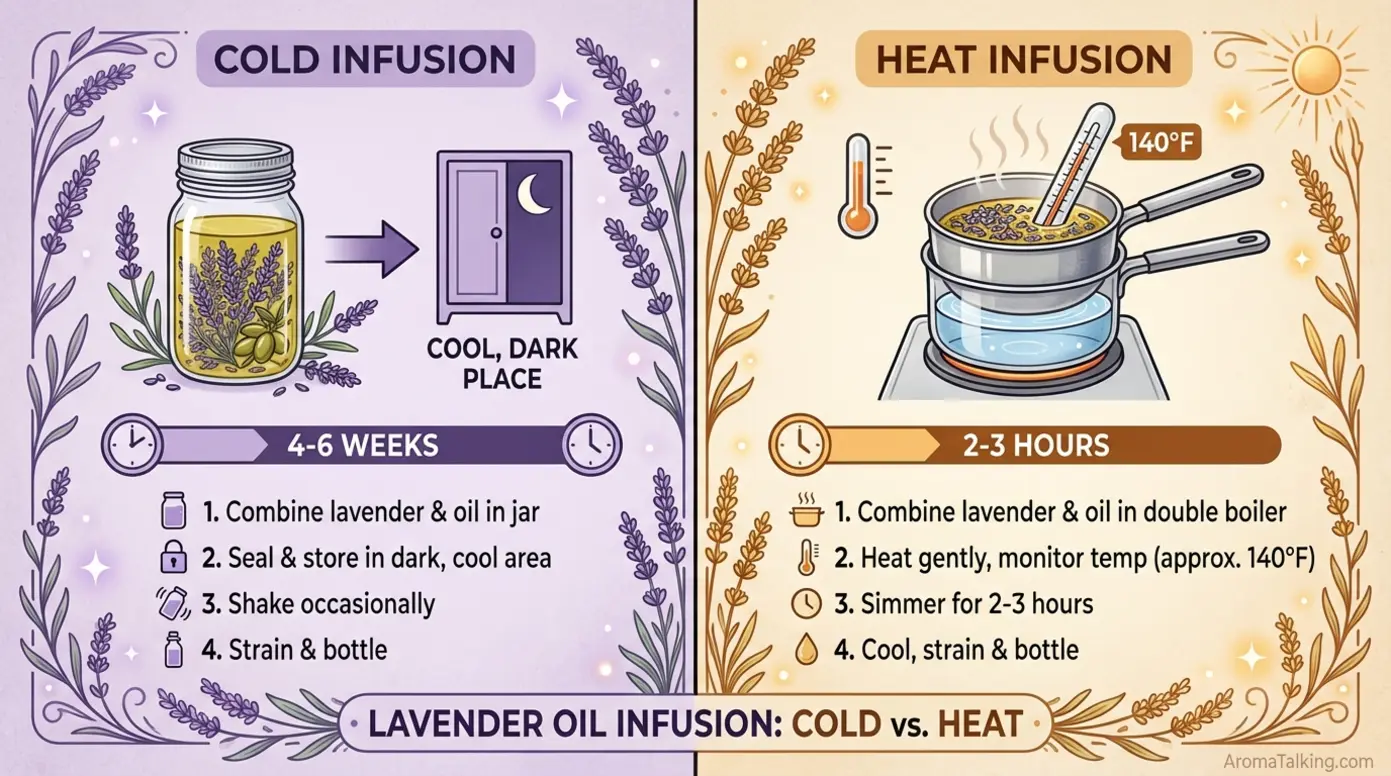
Cold and heat infusion methods offer different timelines and intensity levels for creating lavender-infused carrier oils.
As shown in the comparison above, you can choose between cold and heat infusion methods depending on your timeline and preferences.
Cold Infusion Method:
Fill a clean, dry glass jar about halfway with dried lavender flowers (buds and small stems). Fresh flowers contain moisture that can cause bacterial growth and spoilage.
Pour your chosen carrier oil over the lavender until the jar is nearly full, leaving about 1 inch of headspace. Good options include sweet almond oil, jojoba oil, or olive oil.
Seal the jar tightly and place it in a cool, dark location for 4-6 weeks. Shake gently every few days to redistribute the plant material.
After 4-6 weeks, strain through cheesecloth or a fine-mesh strainer, squeezing gently to extract all the oil. Discard the spent flowers.
Store your infused oil in a dark glass bottle in a cool location. It will stay fresh for about 6-12 months.
Heat Infusion Method:
Place dried lavender flowers in the top of a double boiler. Use about 1 cup of flowers per 2 cups of carrier oil.
Add your carrier oil and heat gently over low heat for 2-3 hours. Keep the temperature below 140°F (60°C) to prevent damage to beneficial compounds. Use a thermometer to monitor.
Stir occasionally and make sure the water in the bottom pan doesn’t evaporate. Add more water as needed.
After 2-3 hours, remove from heat and let the mixture cool to room temperature.
Strain through cheesecloth, squeezing gently to get all the infused oil. Store in a dark glass bottle.
Remember: lavender-infused oil is NOT the same as lavender essential oil. Infused oil is much less potent and can go directly on skin without further dilution. That makes it ideal for massage oils, bath oils, or as a base for other DIY products. You can use it more liberally than essential oil, but it won’t provide the same concentrated effects.
Safety, Purity & Quality Concerns
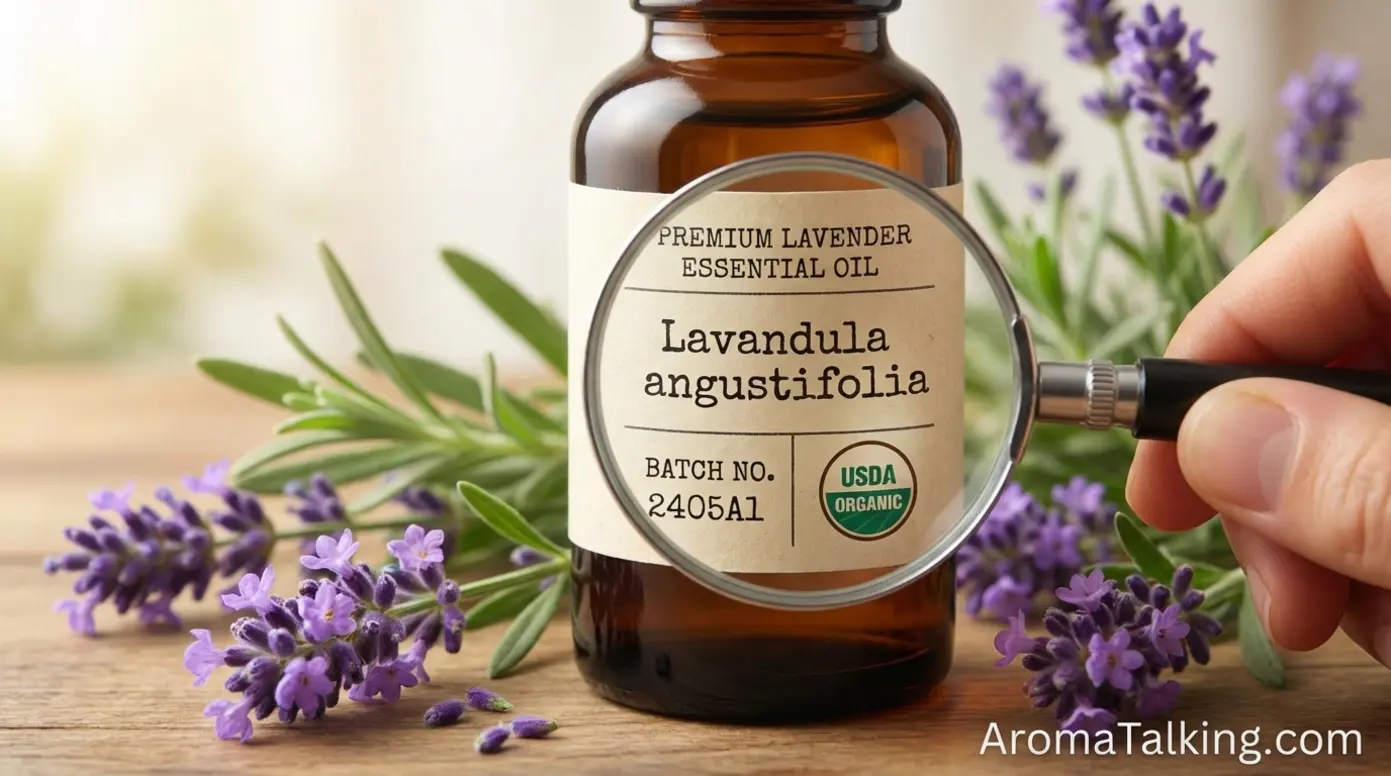
Quality markers like botanical names, batch numbers, and GC/MS testing distinguish pure therapeutic oils from synthetic alternatives.
Understanding safety protocols and quality markers protects you from bad reactions and ensures you invest in products that actually deliver benefits. This section covers the most critical safety considerations and teaches you to spot truly pure lavender essential oil in a market full of adulterated products.
[PERSONAL EXPERIENCE] After years of buying from different brands, I look for three things: GC/MS test reports, the botanical name on the label, and a reasonable price. If any of those are missing, I move on.
When NOT to Use Lavender Essential Oil: Contraindications
Certain groups and medical conditions require extra caution or complete avoidance of lavender essential oil. According to the National Center for Complementary and Integrative Health (2022), aromatherapy with lavender oil is generally safe. However, it may cause skin irritation or allergic reactions in some people. There have also been reports of boys developing abnormal breast growth (gynecomastia) after using products containing lavender oil.
Pregnancy and Breastfeeding: Consult a healthcare professional before using lavender essential oil if you’re pregnant or nursing. Topical use in proper dilution may be safe during the second and third trimesters. Avoid use during the first trimester when fetal development is most vulnerable. The safety of aromatherapy during pregnancy hasn’t been widely studied.
Children Under 2 Years: Don’t use lavender essential oil on infants or children under 2 without guidance from a pediatrician. Young children have thinner, more permeable skin and developing systems that process compounds differently than adults. Even properly diluted oils may cause reactions in very young children.
Hormone-Sensitive Conditions: If you have conditions affected by estrogen levels (such as endometriosis, uterine fibroids, or certain breast cancers), consult a healthcare professional first. Some research suggests lavender may have mild estrogenic effects, though more studies are needed.
Pre-Surgery Use: Stop using lavender essential oil at least 2 weeks before scheduled surgery. Lavender may slow central nervous system activity, potentially interacting with anesthesia. Tell your surgeon and anesthesiologist about all supplements and aromatherapy products you’ve been using.
Medication Interactions: Consult a healthcare professional if you take sedative medications (benzodiazepines, barbiturates, sleep medications) or central nervous system depressants. Lavender’s calming effects may enhance sedation, potentially causing excessive drowsiness or dangerous levels of central nervous system depression. Your healthcare provider can help determine if aromatherapy is safe for you.
For thorough safety practices beyond lavender-specific concerns, review important safety guidelines for essential oils.
Identifying 100% Pure Lavender Oil: Quality Markers
Genuine 100% pure lavender essential oil displays specific characteristics on its packaging and documentation. These markers help you tell it apart from synthetic fragrances or adulterated products. Learning to spot them protects your investment and ensures you get real benefits.
Label Requirements Checklist:
“100% Pure” Statement: The label should explicitly state “100% pure essential oil” or “100% pure Lavandula angustifolia oil.” Avoid products labeled simply as “lavender oil,” “lavender fragrance oil,” or “lavender essence.” These may contain synthetic compounds or fillers.
Botanical Name: Look for the Latin botanical name (Lavandula angustifolia or Lavandula intermedia) on the label. This specificity shows the manufacturer knows exactly which species they’ve sourced. It also means they aren’t trying to sell Lavandin as premium True Lavender.
Dark Glass Bottle: Quality oil comes in amber, cobalt blue, or violet glass bottles that protect from UV light. Clear glass or plastic bottles suggest a manufacturer cutting corners on product preservation.
Batch Number and Expiration Date: Reputable companies print batch numbers and expiration dates on each bottle. This allows traceability and ensures freshness. It shows quality control and gives you confidence in the product’s potency.
Country of Origin: The label should specify where the lavender was grown. France, Bulgaria, and the United Kingdom are traditional lavender-producing regions known for high quality. Other countries also produce excellent oils when proper practices are followed.
GC/MS Test Report Availability: Premium brands provide Gas Chromatography-Mass Spectrometry (GC/MS) reports for each batch. These are either included with the product or available online via the batch number. This testing verifies chemical composition and detects adulterants.
Extraction Method: The label should state “steam distilled.” CO2 extraction is also acceptable but less common for lavender. Avoid products that don’t specify extraction method or use terms like “cold pressed” (not applicable to lavender).
No Synthetic Fragrances or Additives: The ingredient list should contain only one item: Lavandula angustifolia (or intermedia) essential oil. Any additional ingredients indicate dilution or adulteration, unless the product is marketed as a pre-diluted blend.
When shopping, compare prices across brands. If one product costs much less than competitors for the same volume, ask why. While price alone doesn’t guarantee quality, genuine steam-distilled lavender essential oil requires substantial plant material and processing. That creates a baseline cost that legitimate producers can’t undercut without sacrificing quality.
Potential Side Effects and Allergic Reactions
While generally safe when used properly, lavender essential oil can cause reactions in some people. This is especially true when used undiluted or in large amounts. Research from 2021 notes that increased use of essential oils has led to more reports of allergic contact dermatitis (ACD), a delayed-type skin reaction to allergens.
Common Side Effects:Skin Irritation: Redness, itching, burning, or rash at the application site can occur, especially with undiluted oil or on sensitive skin. This may appear immediately or develop over several hours. If it happens, wash the area with soap and water, apply aloe vera gel or a cool compress, and stop using the product.
Headaches: Overuse in aromatherapy, particularly in small or poorly ventilated spaces, can trigger headaches. The concentrated aromatic compounds may overstimulate olfactory receptors. If you develop a headache during diffusion, turn off the diffuser, open windows, and step outside if possible.
Nausea: Inhaling lavender oil in poorly ventilated spaces or using too much in a diffuser can cause nausea or dizziness. This typically resolves quickly once you move to fresh air. Reduce the number of drops in your diffuser and improve room ventilation to prevent this.
Photosensitivity: While less common with lavender than with citrus oils, some people may experience increased sun sensitivity after topical use. Avoid direct sun exposure on treated skin for 12-24 hours, especially if your blend contains other potentially photosensitive oils.
Allergic Reactions: True allergic reactions to lavender are relatively rare but possible. Symptoms may include severe itching, hives, swelling (particularly face, tongue, or throat), difficulty breathing, or dizziness. If you experience any of these, this is a medical emergency — call emergency services immediately.
First Aid for Common Reactions:
If skin irritation occurs, wash thoroughly with soap and water. Apply aloe vera gel or a cool, damp cloth. Take an over-the-counter antihistamine if itching is severe. If symptoms persist beyond 24 hours or worsen, see a healthcare professional.
For headaches or nausea from inhalation, move to fresh air immediately. Drink water and rest in a well-ventilated area. Symptoms should resolve within 30-60 minutes. If they persist or worsen, seek medical attention.
Always perform a patch test before using lavender topically, even if you’ve used other essential oils without problems. Individual sensitivities vary, and past tolerance doesn’t guarantee future safety.
Ingestion Risks: Why You Should Never Swallow Lavender Oil
Never swallow lavender essential oil without direct supervision from a qualified healthcare professional. Even small amounts can cause serious effects. According to Poison Control (2021), lavender oil is generally safe when used as recommended. However, if swallowed, it can cause nausea, vomiting, and potentially serious symptoms. If it gets in the eye, irritation and burning occur.
Specific Poisoning Symptoms:Gastrointestinal Effects: Nausea, vomiting, stomach pain, and diarrhea are common initial symptoms. The concentrated compounds irritate the digestive tract, triggering these protective responses as your body tries to expel the substance.
Neurological Symptoms: Blurred vision, drowsiness, confusion, and difficulty breathing can develop as the compounds enter the bloodstream and affect the central nervous system. These symptoms indicate serious toxicity requiring immediate medical help.
Respiratory Distress: If lavender essential oil is aspirated (breathed into the lungs) during ingestion or vomiting, it can cause chemical pneumonitis — a serious inflammatory lung condition. This is particularly dangerous because essential oils can coat lung tissue and prevent normal oxygen exchange.
Emergency Protocol If Ingested:
Call Poison Control immediately at 1-800-222-1222 in the U.S. (or your country’s poison control number). Have the product bottle on hand to provide the product name, concentration, and estimated amount swallowed.
Do NOT induce vomiting unless told to by Poison Control or emergency medical staff. Vomiting can cause the oil to be aspirated into the lungs, creating additional complications.
Do NOT give anything to eat or drink unless directed by medical professionals. Water or milk may seem helpful but can actually speed absorption into the bloodstream.
Seek emergency medical care if the person shows signs of serious toxicity: difficulty breathing, loss of consciousness, seizures, or severe stomach pain.
Marketing Claims vs. Safety Reality:
While some companies sell lavender essential oil capsules or promote “internal use,” this practice is NOT recommended without professional medical supervision. The studies showing benefits from oral lavender used specific, standardized pharmaceutical preparations (like Silexan) in controlled doses — not over-the-counter essential oils.
The concentration and purity of commercial essential oils vary a lot, making safe dosing impossible without professional guidance. Essential oils can also interact with medications, worsen medical conditions, and cause liver or kidney damage when taken internally without oversight. Even food-grade essential oils carry these risks.
If you’re interested in oral lavender preparations for anxiety or other conditions, talk to a healthcare professional. They can prescribe or recommend appropriate pharmaceutical-grade products with established safety profiles and dosing guidelines.
Comparing brands based on transparency, testing, and certification helps you identify genuine therapeutic-grade lavender oil.
Selecting a quality lavender essential oil means understanding what separates premium products from inferior ones. This section gives you practical guidance for evaluating brands and reading the quality markers that indicate genuine value.
[PERSONAL EXPERIENCE] I’ve tested lavender oils from most of the brands in the comparison table below, and the quality difference between a $8 bottle and a $30 bottle is real — but not always in the direction you’d expect. Price isn’t everything.
What to Look for When Buying Lavender Essential Oil
A thorough buying checklist helps you find quality lavender essential oil and avoid common mistakes that lead to wasted money. Use these criteria to evaluate any brand before purchasing.
Essential Quality Markers:
Botanical Name (Lavandula angustifolia): The label must specify the exact species. Products labeled simply “lavender oil” without the botanical name may contain cheaper Lavandin (L. intermedia) or synthetic fragrances sold as genuine essential oil.
100% Pure Statement: Look for explicit language stating “100% pure essential oil” with no additives, fillers, or carrier oils — unless the product is sold as a pre-diluted blend. Avoid vague terms like “natural” or “therapeutic grade,” which have no regulated meaning.
GC/MS Report Availability: Reputable companies provide Gas Chromatography-Mass Spectrometry reports for each batch, either with the product or online. This testing confirms chemical composition and catches adulterants.
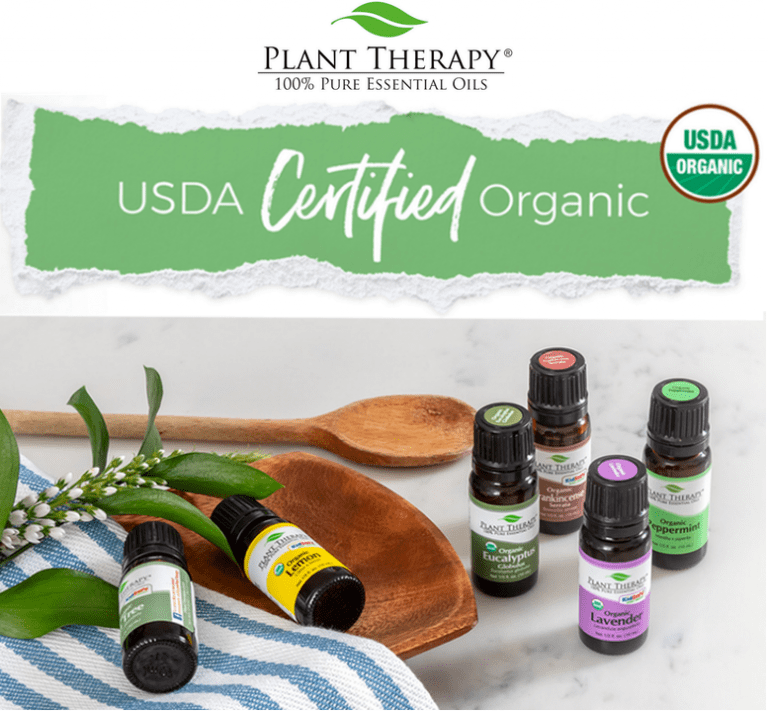
Organic Certification (Optional but Preferred): USDA Organic or equivalent international certifications mean the lavender was grown without synthetic pesticides or fertilizers. Not mandatory for quality, but it shows the producer’s commitment to purity.
Dark Glass Bottle: Amber, cobalt blue, or violet glass protects the oil from light damage. Clear glass or plastic containers suggest the manufacturer prioritizes cost savings over product quality.
Batch Number: Each bottle should display a unique batch number for traceability. This enables quality control and helps manufacturers address issues with specific batches.
Country of Origin: The label should state where the lavender was grown. France (especially Provence), Bulgaria, and the United Kingdom have long traditions of lavender cultivation. Other regions can also produce excellent products with proper practices.
Extraction Method (Steam Distilled): Confirm the oil was obtained through steam distillation. This should be clearly stated on the label or product documentation.
Each of these markers matters because they collectively show a manufacturer’s commitment to transparency and quality control — values that extend to every aspect of their business.
Understanding GC/MS Testing and Batch Transparency
Gas Chromatography-Mass Spectrometry (GC/MS) is a lab analysis that identifies the exact chemical compounds in an essential oil. It also detects any synthetic additives or contaminants. This testing provides objective proof of an oil’s purity, making it the gold standard for quality verification.
How does it work? The GC/MS process first separates the essential oil into its individual chemical components using gas chromatography. Each component travels through the equipment at a different rate based on its molecular properties, creating a unique pattern. The mass spectrometry portion then identifies each separated compound by measuring its molecular weight and structure. The result is a detailed chemical fingerprint of the oil.
A reputable company will provide batch-specific GC/MS reports on their website or upon request. These reports typically list major compounds (like linalool and linalyl acetate) with their exact percentages. This lets you verify that the oil matches expected chemical profiles for genuine Lavandula angustifolia.
When reviewing a report, look for linalool between 25-38% and linalyl acetate between 25-45% for True Lavender. Camphor should be less than 1%. If the percentages fall significantly outside these ranges, the oil may be adulterated, oxidized, or mislabeled.
Batch transparency goes beyond just providing test results. Premium brands like Plant Therapy make GC/MS reports easily accessible through batch number lookup systems on their websites. This openness shows confidence in product quality and respect for customer education. You’re not asked to trust marketing claims — you can verify quality through objective data.
Companies that refuse to provide GC/MS reports, claim their testing is “proprietary,” or only offer generic reports not tied to specific batches should raise red flags. Without this verification, you can’t confirm you’re getting genuine, pure lavender essential oil.
[UNIQUE INSIGHT] Here’s something worth noting: I’ve seen GC/MS reports from budget brands that looked just as good as reports from premium brands costing three times more. The test doesn’t lie. A $10 bottle with a solid GC/MS report can outperform a $30 bottle sold through multi-level marketing. Always check the data, not the price tag.
Comparing Popular Lavender Oil Brands
Objective comparison of established brands helps you understand the trade-offs between price, certification, and transparency. This analysis focuses on factual differences rather than rankings, so you can decide based on your priorities.
Price Considerations: Higher prices don’t automatically mean better quality. They often reflect differences in sourcing, testing, and business models. Multi-level marketing (MLM) brands like doTERRA and Young Living typically cost more due to their compensation structures. A portion of your purchase goes toward distributor commissions rather than reflecting product quality alone.
Organic Certification: Plant Therapy and Aura Cacia offer USDA Organic certified options, providing third-party verification that the lavender was grown without synthetic pesticides. doTERRA and Young Living use proprietary quality claims (CPTG and Seed to Seal) but don’t pursue independent organic certification.
Testing Transparency: Plant Therapy and Aura Cacia lead in batch-specific GC/MS transparency. You can verify the exact chemical makeup of your specific bottle. doTERRA and Young Living provide more limited testing information — typically generic reports that may not match your particular purchase.
Unique Considerations: Plant Therapy’s KidSafe line offers pre-diluted blends specifically formulated by certified aromatherapists for safe use with children. doTERRA and Young Living’s distributor networks provide personalized service at premium prices. Aura Cacia’s wide retail availability makes it easy to buy in-store. For a deeper look at another well-regarded brand, see our Edens Garden essential oils review.
Choose based on your priorities. If batch-specific testing and organic certification matter most, Plant Therapy or Aura Cacia may suit you best. If you value personal education and support from a consultant and don’t mind paying more, doTERRA or Young Living might appeal to you. For additional perspective on one of these major brands, see in-depth review of a major brand.
Potential Risks and When to Seek Professional Guidance
Acknowledging lavender essential oil’s limitations and potential risks is part of using it responsibly. Understanding when this natural remedy falls short helps you make informed decisions about when to seek professional medical care instead.
When Lavender Essential Oil Isn’t Enough: Medical Alternatives
Lavender essential oil is not a replacement for medical treatment. Certain conditions require professional healthcare rather than aromatherapy. While research suggests lavender may help manage mild stress and support relaxation, it lacks the clinical evidence and regulatory approval for treating serious medical conditions.
If you have chronic anxiety, severe insomnia, or persistent skin conditions, consult a healthcare professional for proper diagnosis. Clinical anxiety disorders like generalized anxiety disorder, panic disorder, or social anxiety require treatment plans that may include cognitive behavioral therapy (CBT), prescribed medications, or other evidence-based approaches. Lavender essential oil can be a supporting tool within a broader treatment plan but can’t replace these core therapies.
For severe anxiety, medical treatments like SSRIs or benzodiazepines have undergone rigorous clinical testing and FDA approval. While these medications may have side effects, they provide predictable, measurable benefits for serious conditions. Lavender essential oil is generally safer for mild symptoms but lacks the evidence base for severe anxiety or panic disorders.
Chronic insomnia or sleep disorders like sleep apnea require medical evaluation to find the underlying cause. A sleep specialist can run studies to diagnose conditions that aromatherapy can’t address — obstructive sleep apnea, restless leg syndrome, or circadian rhythm disorders. These need targeted treatments: CPAP therapy for sleep apnea, dopamine agonists for restless leg syndrome, or light therapy for circadian issues.
For persistent skin conditions like chronic eczema, psoriasis, or stubborn acne, see a dermatologist for prescription treatments. Medical-grade topical corticosteroids, retinoids, or systemic medications may be necessary. While lavender may help manage mild symptoms, it’s not a cure for chronic skin diseases.
Knowing when to seek professional help ensures you use lavender safely and effectively as part of a natural wellness approach — rather than delaying necessary medical care.
Potential Drug Interactions and Contraindications
Lavender essential oil can interact with certain medications and medical conditions. Professional consultation is important before use in specific scenarios. Understanding these interactions helps prevent problems and ensures safe use of aromatherapy.
Sedative Medication Interactions: If you take sedatives including benzodiazepines (like diazepam or alprazolam), barbiturates, or prescription sleep medications (like zolpidem), talk to your doctor before using lavender essential oil. Lavender’s calming effects may add to drowsiness from these medications. This could cause excessive sedation, impaired coordination, or dangerous levels of central nervous system depression. Your provider can help determine if aromatherapy is safe for you.
Severe Allergic Reactions: If you experience a severe allergic reaction — difficulty breathing, throat swelling, severe hives, or dizziness — call emergency services immediately (911 in the U.S.). Tell them you’ve been exposed to lavender essential oil. Severe allergic reactions (anaphylaxis) require immediate treatment with epinephrine and medical monitoring.
Worsening Skin Conditions: If your symptoms get worse or don’t improve after using lavender oil for a skin issue, stop using it and see a dermatologist. Worsening redness, increased pain, spreading inflammation, or signs of infection (pus, fever, red streaks) mean the condition needs medical treatment. What looks like simple irritation may actually be a bacterial infection, fungal condition, or another issue needing prescription medication.
[PERSONAL EXPERIENCE] I once assumed a persistent rash on my wrist was just sensitivity to a new blend. Turns out it was contact dermatitis that needed a prescription steroid cream. Don’t self-diagnose — if something isn’t improving after a few days, see a professional.
These guidelines aren’t meant to scare you away from essential oils. Most people enjoy lavender’s benefits without any problems when they follow proper dilution guidelines, do patch tests, and know when professional medical care is the right call.
Frequently Asked Questions
What is Lavender essential oil good for?
Lavender essential oil is primarily used for its calming properties to reduce stress, ease anxiety, and promote better sleep. Research suggests its effectiveness comes from compounds like linalool and linalyl acetate, which interact with brain chemistry to produce relaxing effects. It also has anti-inflammatory and antimicrobial benefits, making it useful for soothing minor skin irritations, supporting wound healing, and addressing concerns like acne or eczema when properly diluted. Many people use it in aromatherapy through diffusion or apply it topically in carrier oils for targeted benefits.
When not to use Lavender essential oil?
You should avoid using lavender essential oil if you have a known allergy to lavender or other plants in the Lamiaceae family. Consult a healthcare professional before use if you’re pregnant (especially during the first trimester), breastfeeding, or taking sedative medications, as lavender may increase drowsiness. Don’t use on children under 2 without pediatric guidance. It should not be swallowed unless under direct professional supervision, as ingestion can cause nausea, vomiting, and potentially serious neurological symptoms. Always perform a patch test before topical use, even if you’ve used other essential oils without issues.
What is the difference between lavender oil and Lavender essential oil?
Lavender essential oil is a highly concentrated compound extracted from the lavender plant through steam distillation. It contains 100% pure aromatic compounds with no additives. The term “lavender oil” can sometimes refer to a less concentrated product, like an oil infused with lavender flowers. Infused oils have much milder potency. They’re made by steeping dried lavender in a carrier oil for weeks, creating a gentler product you can apply directly to skin. Essential oil requires dilution before topical use because of its concentration. Infused oil is already diluted and ready to use but won’t provide the same intensive effects.
Can I apply lavender oil directly to skin?
While lavender is one of the few essential oils that some practitioners apply “neat” (undiluted) in very small amounts, it’s strongly recommended to dilute it with a carrier oil. This prevents potential skin irritation. Most aromatherapy experts and dermatologists advise using a 1-3% dilution (6-18 drops per ounce of carrier oil) for safe topical application. Always do a patch test first by applying diluted oil to your inner forearm, covering with a bandage, and waiting 24-48 hours to check for redness or irritation. Undiluted essential oil can cause sensitivity, allergic reactions, or contact dermatitis even in people without known sensitivities. Dilution provides an important safety margin.
Getting Started with Lavender Essential Oil
Lavender essential oil offers science-backed benefits for stress relief, sleep support, and skin care when used safely and properly diluted. Understanding its chemical makeup — particularly the calming effects of linalool and linalyl acetate — helps you use this adaptable oil with confidence. Proper dilution ratios, quality verification through GC/MS testing, and awareness of contraindications ensure you maximize benefits while minimizing risks.
Knowing the difference between Lavandula angustifolia and Lavandin, recognizing quality markers like batch transparency and organic certification, and following evidence-based application methods transforms lavender essential oil from a simple pleasant scent into an effective wellness tool. Whether you’re creating DIY sleep sprays, addressing minor skin concerns, or seeking natural anxiety support, the key lies in informed, cautious use that respects both the oil’s potency and your body’s responses.
[PERSONAL EXPERIENCE] If I could give one piece of advice to someone just starting with lavender essential oil, it would be this: buy a small bottle from a reputable brand, dilute it properly, and try it in your diffuser before bed for a week. That’s how I started, and it’s still the foundation of my routine eight years later.
Start by choosing a 100% pure lavender essential oil from a reputable brand with GC/MS testing transparency and clear batch information. Try the DIY sleep spray recipe tonight to experience lavender’s calming benefits. Always dilute before topical use. Perform patch tests for new applications, consult healthcare professionals when needed, and recognize when medical care is more appropriate than aromatherapy. Lavender essential oil is a powerful addition to your natural wellness practice when you prioritize safety, quality, and informed use. For more guidance on incorporating essential oils into your daily routine, explore our resource library to deepen your aromatherapy knowledge.
Honest NOW Foods essential oils review for 2026. We tested 90+ oils with GC-FID/MS CofA data, compared pricing vs Plant Therapy, Edens Garden & doTERRA. Pros, cons, best oils to buy, and FAQ.